How to Get Rid of Mosquitoes Inside the House: What Actually Works
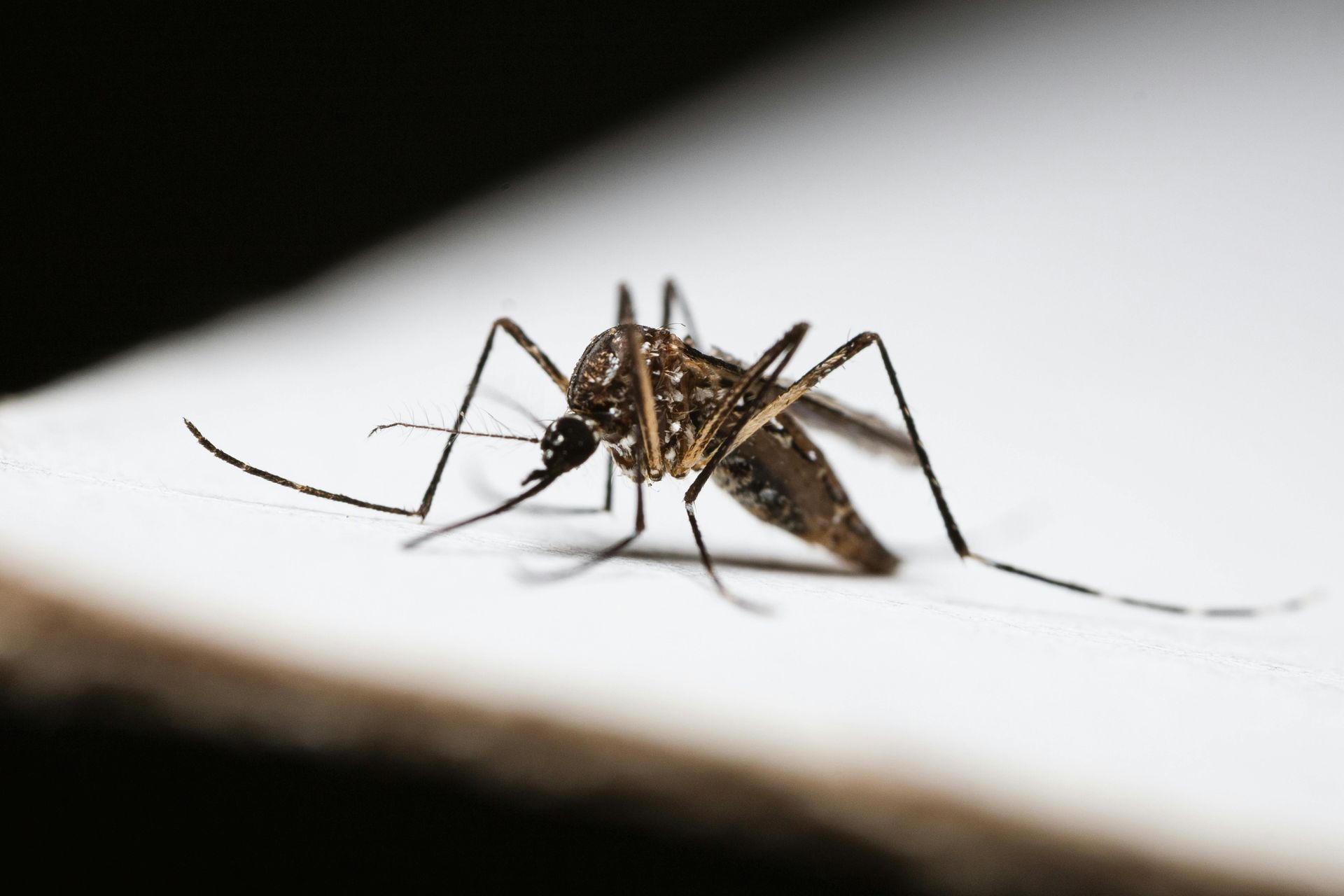
You've closed all the windows, you're inside where it's cool, and somehow — there's a mosquito buzzing around your bedroom at midnight. If this sounds familiar, you're dealing with one of the most frustrating pest problems homeowners face.
Indoor mosquitoes are especially disruptive because they interrupt sleep, are harder to target than outdoor populations, and often signal a gap in your home's defenses you might not have thought about.
The good news is that mosquitoes indoors are almost always a solvable problem. This guide walks through exactly how to find them, get rid of them, and make sure they don't keep coming back — starting tonight.
How Are Mosquitoes Getting Inside?
Before you can stop mosquitoes from getting indoors, you need to know how they're getting in. Mosquitoes are small and opportunistic — they don't need much of an opening.
Common entry points include:
- Damaged or missing window and door screens: Even a small tear, hole, or gap at the edge of a screen frame is enough for multiple mosquitoes to enter. This is by far the most common cause of indoor mosquito problems.
- Gaps around doors: Doors that don't seal fully at the bottom or sides — especially older exterior doors — leave a gap that mosquitoes can slip through, particularly when the door is frequently opened and closed during the evening.
- Unscreened vents: Foundation vents, attic vents, and dryer exhaust openings are often overlooked as entry points, especially in older homes.
- Hitchhiking indoors: Mosquitoes can enter on clothing, bags, or pets when you come in from outside — especially if you've spent time near dense vegetation or standing water.
- Open garage doors: Spending time in the garage with the door open at dusk is one of the most common ways mosquitoes end up inside. They follow you in and then find their way into the rest of the house.
Start by doing a thorough walkthrough of your home looking for any of these entry points. Fix what you find before moving on to indoor treatments — sealing entry points is the only way to stop the cycle.
Step 1: Seal Entry Points
No indoor treatment will work long-term if mosquitoes can freely re-enter your home. Before anything else, address the gaps:
- Inspect every window screen: Check for holes, tears, bent frames, and gaps at the edges where the screen meets the frame. Small holes can be patched with screen repair tape; damaged screens should be replaced. New fiberglass window screens are inexpensive and easy to install.
- Add or replace door sweeps: Door sweeps seal the gap at the bottom of exterior doors and are one of the most effective — and cheapest — mosquito barriers you can install. Look for rubber or bristle sweeps that create a continuous seal.
- Apply weatherstripping: Check the seals around door frames and replace any that are worn, compressed, or missing. This also helps with energy efficiency, so it's a doubly worthwhile fix.
- Screen or seal open vents: Add fine-mesh screening to any unscreened vents. For foundation vents, replace standard vent covers with screened versions.
- Check your garage door seal: The rubber seal at the bottom of your garage door wears out over time. If you can see light under your closed garage door, mosquitoes can get through. Replacement seals are widely available and easy to install.
Pro Tip:
Do your screen inspection during the day with the lights on inside and blinds closed, then look for light coming through from outside. Any light you see is a gap that insects can use.
Step 2: Eliminate Any Indoor Breeding Sources
Most people don't realize mosquitoes can actually breed inside the house — but they can, anywhere standing water sits undisturbed for more than a week.
This is less common than outdoor breeding, but it does happen, and it explains why some indoor infestations seem to persist no matter what you do.
Check for and address these indoor water sources:
- Vases and flower arrangements: Change the water in cut flower vases weekly. Even a few inches of stagnant water in a glass vase can support mosquito larvae.
- Pet water bowls: Refresh your pet's water bowl daily and clean it thoroughly at least once a week.
- Indoor potted plants: Saucers under houseplants frequently collect standing water. Empty them after watering.
- Air conditioner drip trays: Window AC units and mini-splits have drip pans that can accumulate water. Check these periodically and ensure the drain line is clear.
- Utility areas: Check behind washing machines, under sinks, and near water heaters for any slow leaks or pooled water that may have gone unnoticed.
If you find any of these, eliminate the water source immediately. In the rare case where mosquitoes appear to be breeding from a source you can't identify, a pest control professional can do an inspection to track down the problem.
Step 3: Get Rid of Mosquitoes Already Inside
Once entry points are sealed and indoor water sources are addressed, it's time to deal with the mosquitoes already in your home. Here are the most effective methods:
Indoor Mosquito Traps
Mosquito traps that use UV light, heat, or CO2 to attract and capture mosquitoes are effective for reducing indoor populations without the use of chemicals. Place them in bedrooms and other areas where mosquitoes are active. Run them overnight when mosquitoes are most active and you're generating CO2 by breathing.
Plug-In Insecticide Dispensers
EPA-registered plug-in devices that release a low dose of pyrethrin or metofluthrin are effective at killing and repelling mosquitoes in enclosed spaces. They're particularly useful in bedrooms. Look for products registered with the EPA and follow label directions — these are safe for regular indoor use when used as directed.
Mosquito Coils and Candles (Outdoor Use Rooms Only)
Citronella candles and mosquito coils can help reduce mosquito activity in screened porches, sunrooms, and well-ventilated indoor/outdoor areas. They are not recommended for use in enclosed indoor spaces due to smoke and fume concerns.
The Manual Approach
If you're dealing with just one or two mosquitoes — that midnight buzzer keeping you awake — the most reliable method is still a good old swat. Turn on a lamp in a dark room to attract the mosquito to a single location, then wait. Alternatively, use a battery-powered racket-style electric fly swatter for a more satisfying solution.
Indoor Surface Sprays
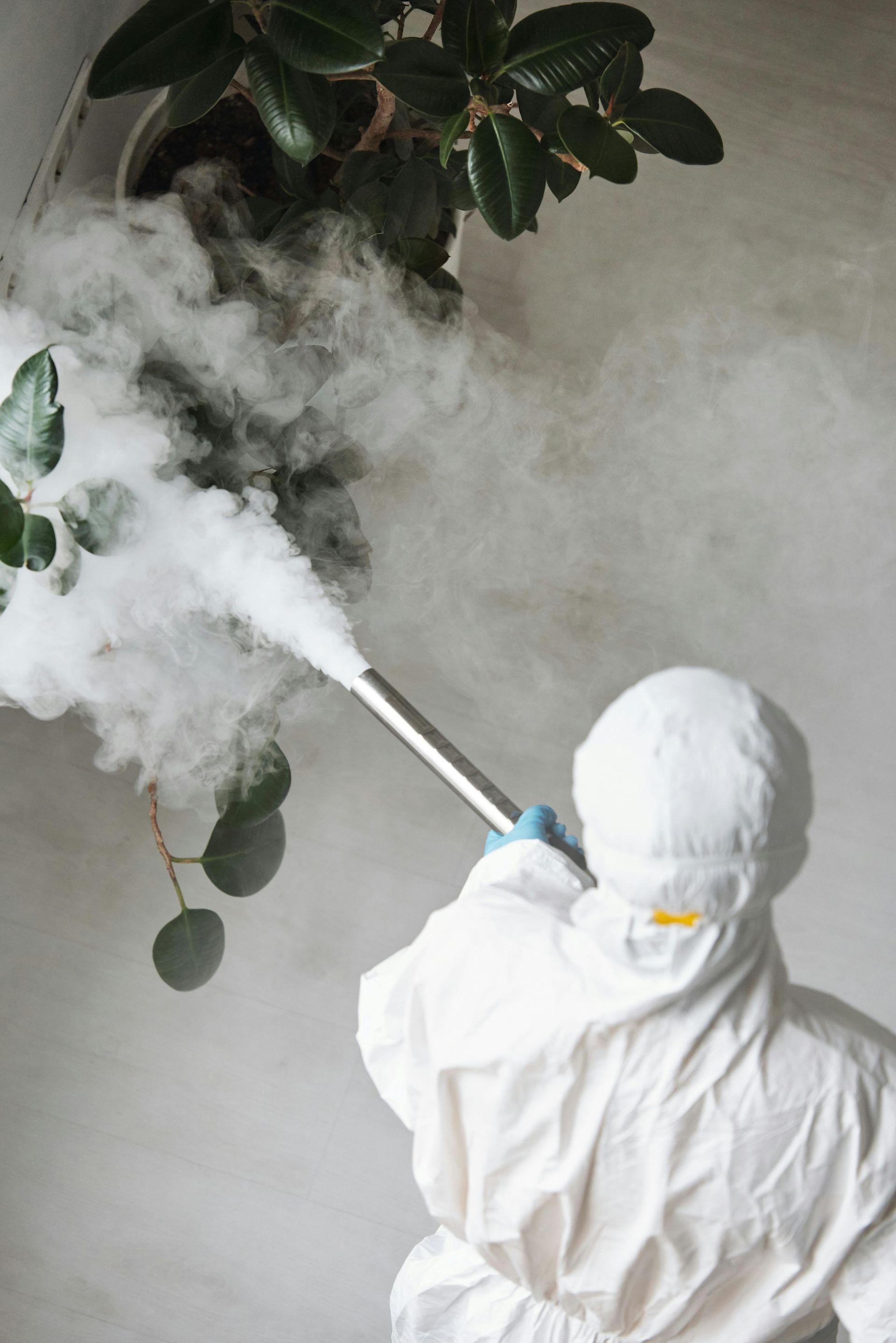
EPA-registered indoor insect sprays can be applied to resting surfaces — walls, behind furniture, in closets — to kill mosquitoes on contact. Use these targeted sprays in the areas where you're seeing the most activity. Ventilate the room during and after application and keep people and pets out until the product dries.
Key Insight:
Mosquitoes inside the house are almost always a symptom of an outdoor population problem combined with an entry gap. Treating indoors helps in the short term, but addressing the outdoor source is what produces lasting results.
Step 4: Reduce the Outdoor Source That's Feeding the Indoor Problem
Persistent indoor mosquito problems almost always trace back to a high outdoor population near entry points. Even perfectly sealed homes will eventually have mosquitoes drift in when outdoor populations are very high. Reducing the outdoor population around your home is the most sustainable long-term solution.
Key outdoor steps to take alongside your indoor measures:
- Eliminate all standing water within 50 feet of your home's entry points — especially near frequently used doors.
- Treat any water features you can't drain (birdbaths, ponds) with Bti larvicide dunks on a regular basis.
- Keep vegetation near doors and windows trimmed short — dense shrubs near entry points create a reservoir of resting mosquitoes right at the threshold.
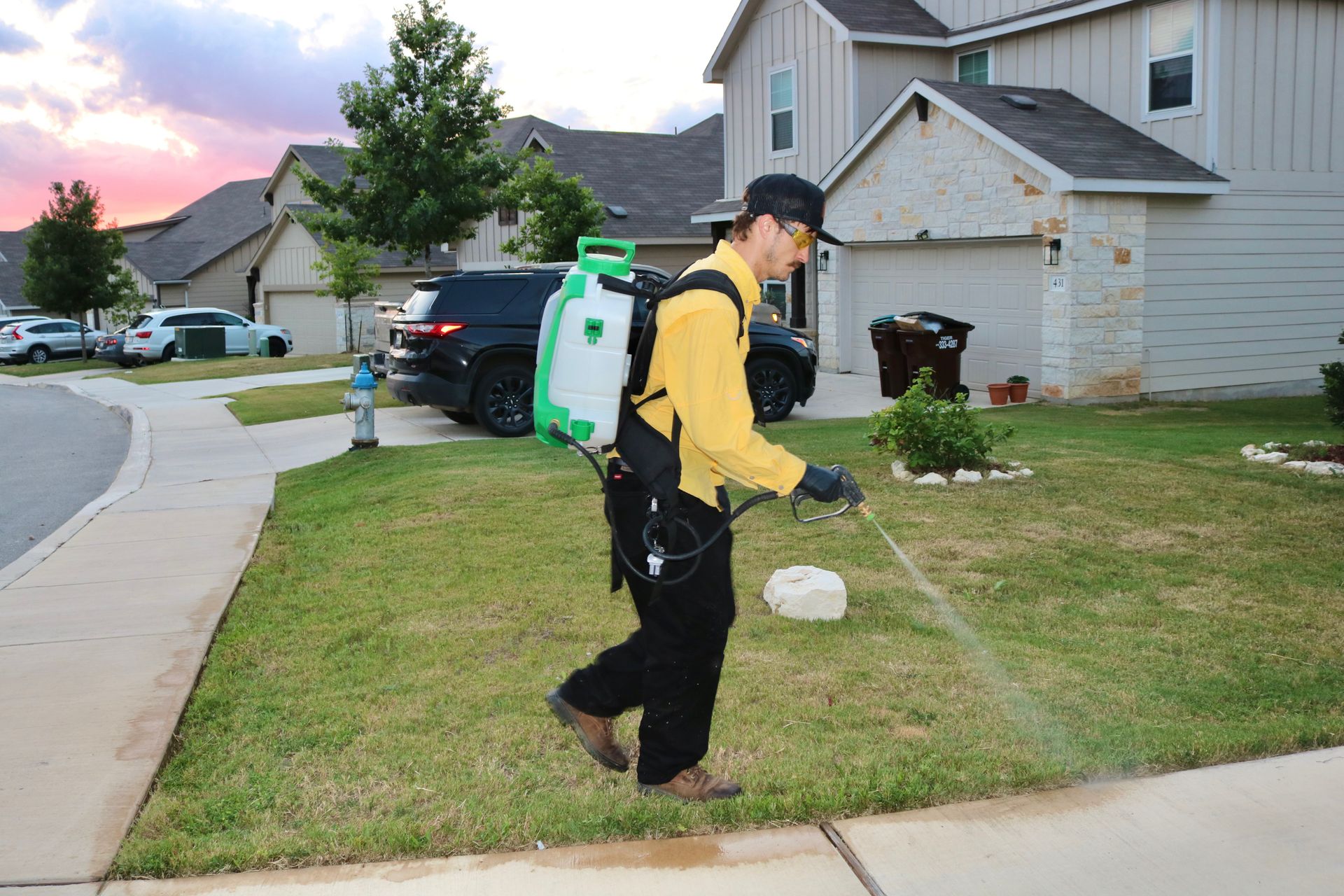
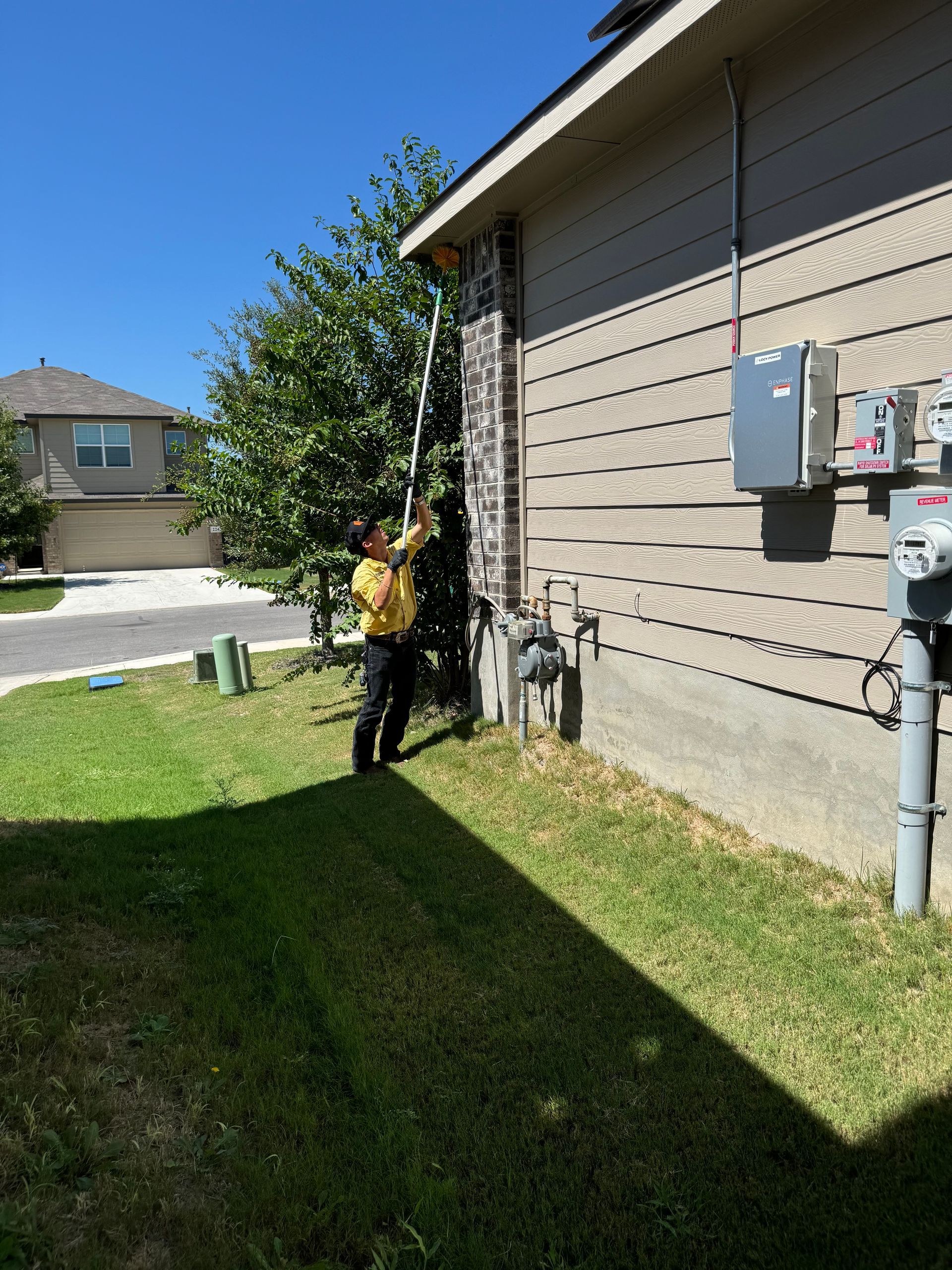
- Consider a professional barrier spray treatment around the perimeter of your home, focusing on vegetation near doors, windows, and high-traffic outdoor areas.
If outdoor mosquito pressure is overwhelming, a professional mosquito treatment program from Buckin' Bugs can dramatically reduce the population around your home's perimeter, making indoor control far easier to maintain.
A Word on What Doesn't Work
There's no shortage of mosquito control products and gadgets on the market — and not all of them live up to their claims. A few popular options are worth skipping:
- Bug zappers: The classic UV bug zappers primarily attract and kill moths, beetles, and other flying insects — not mosquitoes. Studies have repeatedly shown they do very little to reduce actual mosquito populations.
- Ultrasonic repellers: Plug-in or battery-powered devices that claim to repel mosquitoes with sound have no scientific evidence supporting their effectiveness. Save your money.
- Citronella candles indoors: While citronella can have a mild repellent effect in outdoor settings, it provides virtually no meaningful protection in enclosed indoor spaces.
Stick to EPA-registered products and methods with demonstrated effectiveness. When in doubt, a licensed pest control professional can recommend the right treatment approach for your specific situation.
When to Call a Professional
Most indoor mosquito problems can be resolved with the steps above.
But there are situations where professional help is the faster, more effective route:
- You've sealed all entry points and eliminated standing water, but mosquitoes persist indoors — suggesting a hidden breeding source or a structural gap you haven't found
- You're seeing large numbers of mosquitoes indoors, not just the occasional stray — which may indicate active indoor breeding
- You have family members who are especially sensitive to mosquito bites, or you're concerned about mosquito-borne illness
- Your home is adjacent to a water source, drainage feature, or heavily vegetated area that continuously generates high mosquito pressure
For persistent indoor or outdoor mosquito problems in the San Antonio area, our
Buckin' Bugs mosquito treatment services include free yard assessments, barrier spray programs, and larvicide applications.
Call us today — we'll help you figure out exactly where the problem is coming from and how to fix it.
☎ (210) 555-0100 | www.buckinbugs.com/mosquito-treatment
The Bottom Line
Getting rid of mosquitoes inside your house comes down to three things: seal the entry points, eliminate any indoor water sources, and reduce the outdoor population feeding the problem.
Address all three and you'll see results quickly. Leave any one of them unaddressed and the problem will keep coming back.
Start tonight with a screen inspection and a check for standing water. You may be closer to a mosquito-free home than you think.