Are Landlords Responsible for Pest Control?
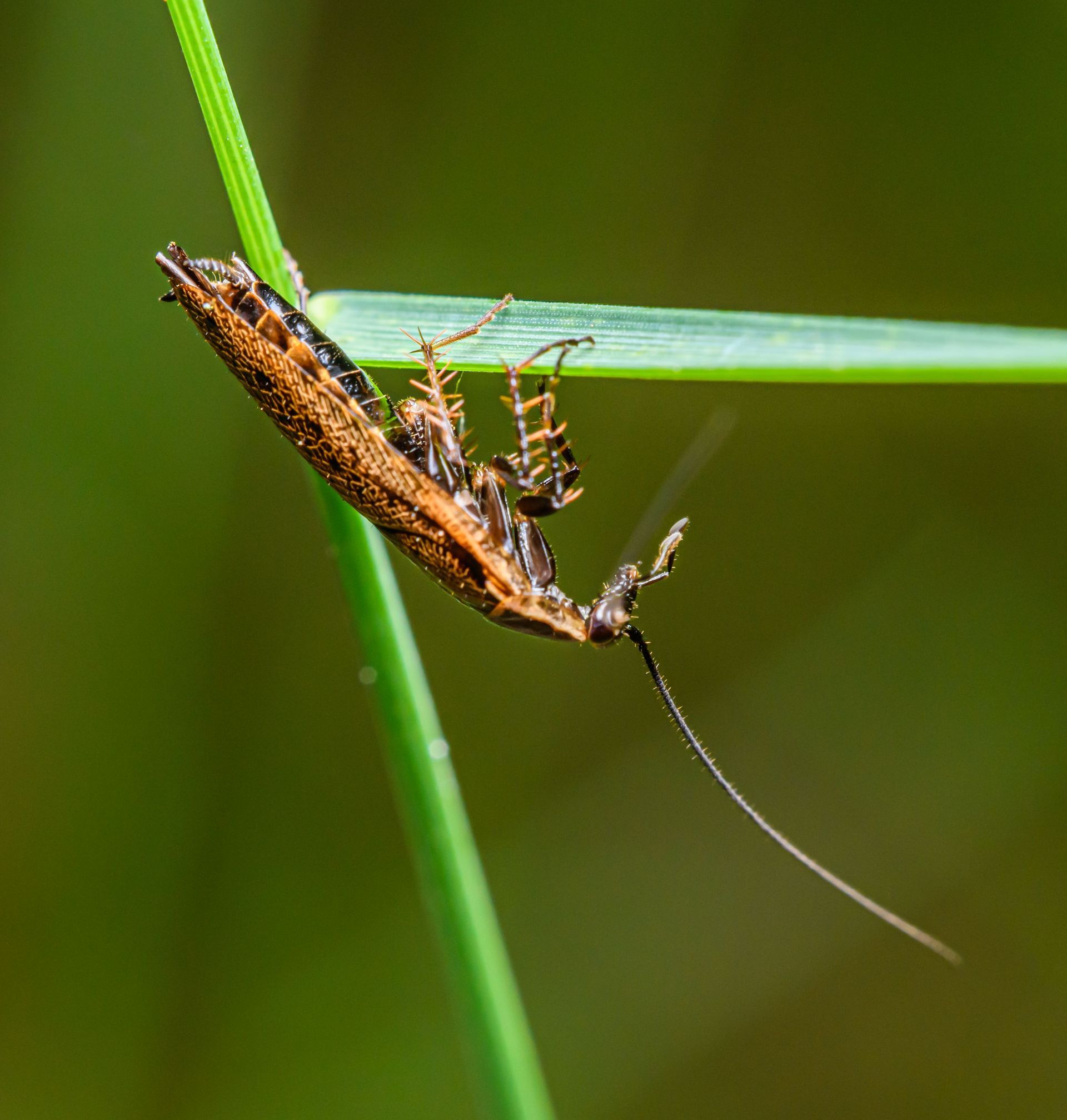
You come home one evening, flip on the kitchen light, and watch a cockroach dart across the counter. You snap a photo, text your landlord, and wait. A week goes by. Then two. Still nothing. Sound familiar?
If you're renting a home or apartment in Texas and dealing with a pest problem, you're probably asking: are landlords responsible for pest control — or is this on me?
The honest answer is: it depends. It depends on your lease agreement, what Texas law says, and who caused the problem in the first place. This guide breaks it all down in plain language so you know exactly where you stand.
Who Is Responsible for Pest Control in a Rental Property?
Pest control responsibility in a rental property isn't always black and white. In most situations, it comes down to three things:
- Your lease agreement — which may spell out responsibility explicitly
- Texas state law — which sets a minimum standard landlords must meet
- The cause of the infestation — tenant behavior or a structural issue?
The good news is that Texas law does provide tenants with meaningful protections.
But understanding where those protections begin and end will help you handle the situation effectively — whether you're a renter or a landlord. Let's look at what the law actually says.
What Texas Law Says About Landlord Pest Control Responsibilities
Texas law doesn't have a single statute that simply says "landlords must pay for pest control." Instead, tenant protections flow from the implied warranty of habitability — a legal principle embedded in the Texas Property Code (§ 92.056–92.061).
Under this warranty, landlords are required to make and keep a rental unit fit for human habitation. That means maintaining the property in a condition that doesn't endanger the health or safety of the tenant.
A severe pest infestation — think a rodent problem, a cockroach infestation, or a bed bug outbreak — can absolutely cross the line from "inconvenient" into "uninhabitable."
When that threshold is crossed, Texas law gives the landlord a responsibility to act. However, the law also places conditions on the tenant: the infestation cannot have been caused by the tenant, the tenant must notify the landlord in writing, and the landlord must be given a reasonable time to remediate the issue.
This is general information about Texas law — not legal advice. If you are in a dispute with your landlord over pest control, consult a licensed Texas attorney or your local tenant rights organization.
When Is the Landlord Responsible?
Generally speaking, pest control is the landlord's responsibility in the following situations:
- The infestation existed before you moved in (pre-existing condition)
- Pests are entering through structural deficiencies — gaps in walls, broken door seals, deteriorating roof areas — that the tenant cannot reasonably fix
- The pest problem is in a common area of an apartment building (hallways, laundry rooms, shared utilities)
- The infestation has spread across multiple units, indicating a building-wide issue
- Pests that pose a clear health hazard, such as rodents, bed bugs, or heavy cockroach infestations — visit our common pests to learn more about what you might be dealing with
When Is the Tenant Responsible?
On the other side of the coin, a tenant may bear some or all of the responsibility for pest control when:
- The infestation was caused or significantly worsened by the tenant's own behavior — improper food storage, excessive clutter, or unsanitary conditions
- The tenant failed to report the pest problem to the landlord in a timely manner, allowing it to worsen
- The tenant refused or obstructed the landlord's attempts to access the unit and perform treatment
- The tenant brought pests into the property — for example, by moving in infested furniture or belongings
In these cases, the lease agreement may allow the landlord to charge the tenant for the cost of extermination. Again, your specific lease language matters enormously here.
What Should Your Lease Agreement Say?
Before you call your landlord or an attorney, pull out your lease and read it carefully. Many lease agreements in Texas address pest control responsibility directly. Some assign it entirely to the tenant. Others make the landlord responsible for structural pest problems while the tenant handles minor nuisances. A well-written lease should make this clear.
If your lease is silent on the topic, you fall back on Texas law — which, as discussed above, generally places the burden on the landlord for serious infestations that affect habitability.
As a general rule of thumb, a fair lease clause will look something like this:
"Landlord is responsible for pest control related to structural conditions or pre-existing infestations. Tenant is responsible for maintaining sanitary conditions and promptly reporting any pest activity. Minor preventable pest issues resulting from tenant behavior are the tenant's responsibility."
If your lease says something dramatically different — for example, that the tenant bears all pest control costs no matter what — that clause may still be subject to the minimum protections Texas law provides. This is another good reason to consult an attorney if you're facing a dispute.
Steps to Take If Your Landlord Refuses to Act
If you've reported a pest problem and your landlord isn't responding, here's how to handle it step by step. Stay calm, stay documented, and follow the process.
- Document the infestation thoroughly. Take dated photos and videos of the pests, droppings, damage, and any entry points you can identify. Write down dates and details of every pest sighting.
- Send a written notice to your landlord. A verbal complaint is easy to ignore. Put your request in writing — email works well because it's time-stamped. Describe the infestation clearly and ask the landlord to address it within a specific timeframe (typically 7–14 days is considered reasonable).
- Follow up in writing if there's no response. If the deadline passes without action, send a follow-up in writing. Reference your original notice and the date. Keep copies of everything.
- Contact local code enforcement or the health department. If your landlord still doesn't act and the infestation is serious, you may be able to file a complaint with your local city or county health department. A code violation notice can prompt landlords to act quickly.
- Understand your repair-and-deduct rights. Under Texas Property Code § 92.0561, tenants may have the right to hire a pest control company and deduct the cost from rent — but only under specific conditions and dollar limits. This option has legal prerequisites. Do not attempt this without understanding the requirements or consulting an attorney first.
- Consult a Texas tenant rights attorney. If the situation has escalated and your landlord is still not complying, a tenant attorney can help you understand your full legal options, including potential remedies for breach of the warranty of habitability.
Tips for Landlords: Staying Ahead of Pest Problems
If you're a property owner or manager reading this, the best strategy is to be proactive rather than reactive. Waiting for a tenant to report a pest problem — and then having to scramble to address it — is more expensive, more disruptive, and more legally risky than preventing the problem in the first place.
Here are the most effective steps landlords can take:
- Schedule a professional pest inspection between every tenancy. A full inspection before a new tenant moves in protects you from being blamed for pre-existing infestations and identifies issues before they escalate.
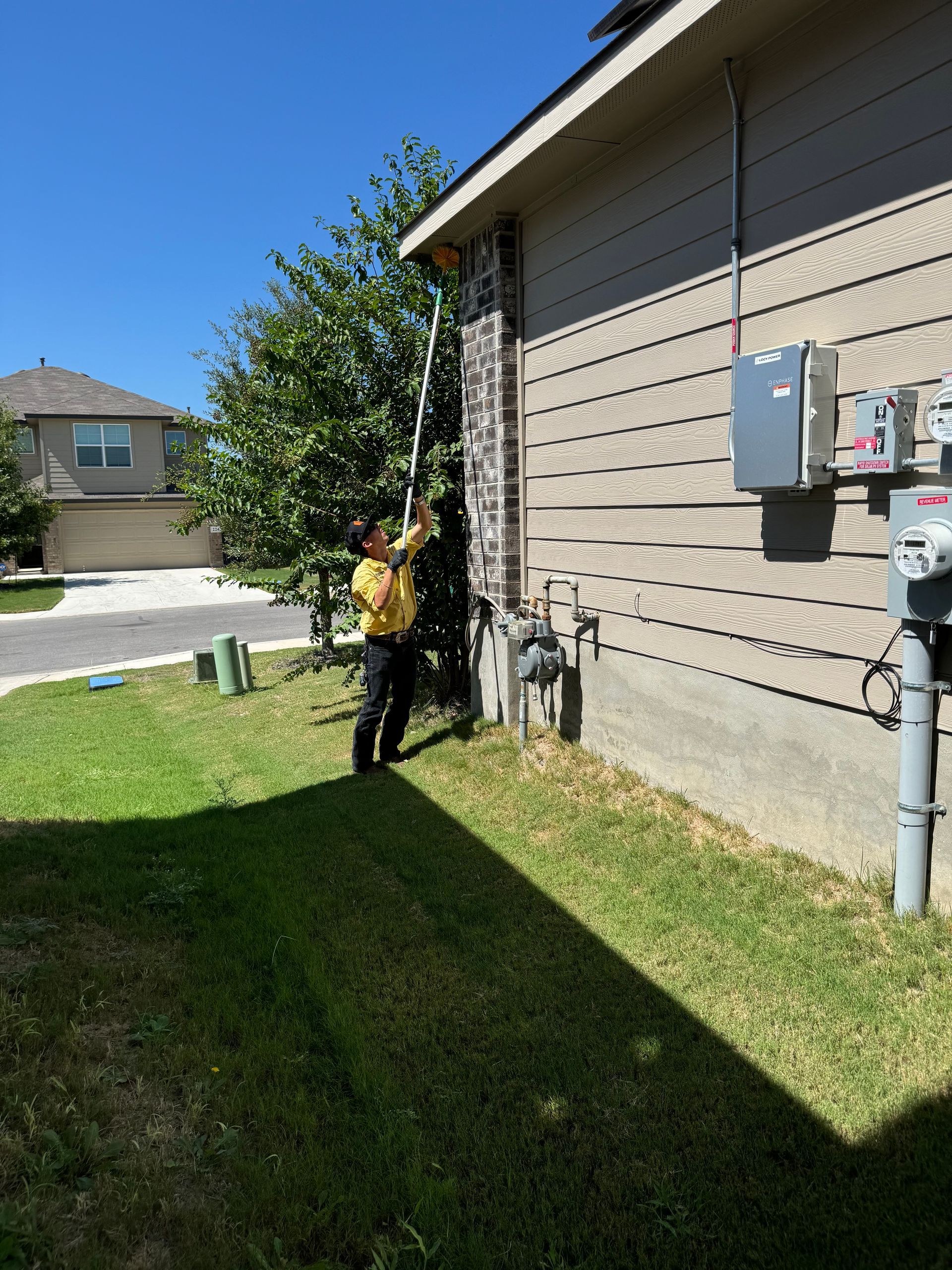
- Make exterior maintenance a priority. Seal gaps around pipes, doors, windows, and utility entry points. Repair damaged fascia, roof lines, and vents. Most pests enter through structural deficiencies that are the landlord's responsibility to address.
- Include pest control as part of your annual property maintenance budget. Quarterly professional treatments are far less expensive than emergency extermination and potential legal disputes.
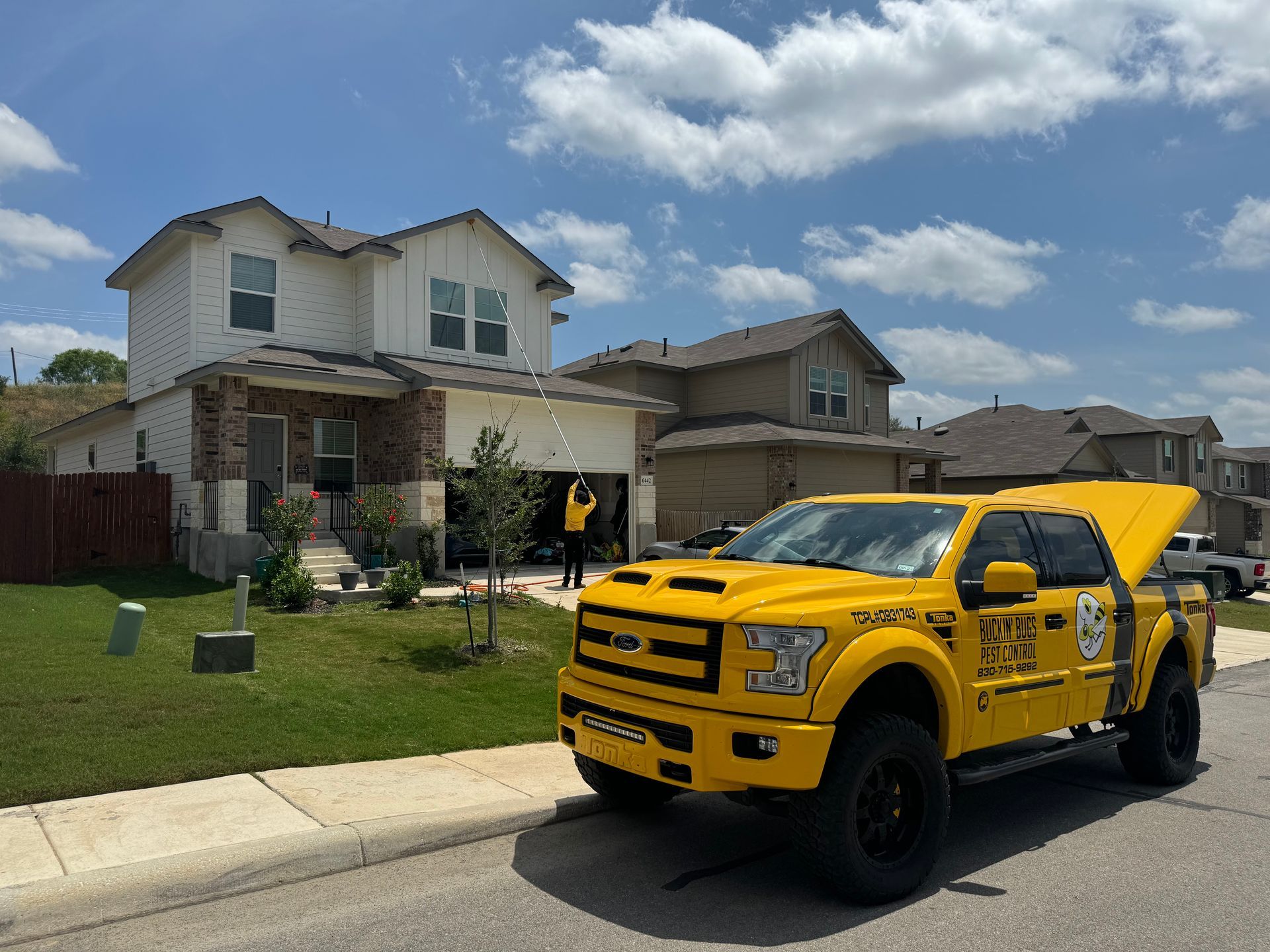
- Partner with a licensed local pest control company. At Buckin' Bugs, we work directly with landlords and property managers throughout the San Antonio area to set up flexible maintenance plans. Visit our general pest control services page to learn more, or contact us to discuss a plan for your property.
- Document your pest control efforts. Keep records of inspections, treatments, and communications with tenants. This paper trail is invaluable if a dispute ever arises.
When to Call a Professional Pest Control Company
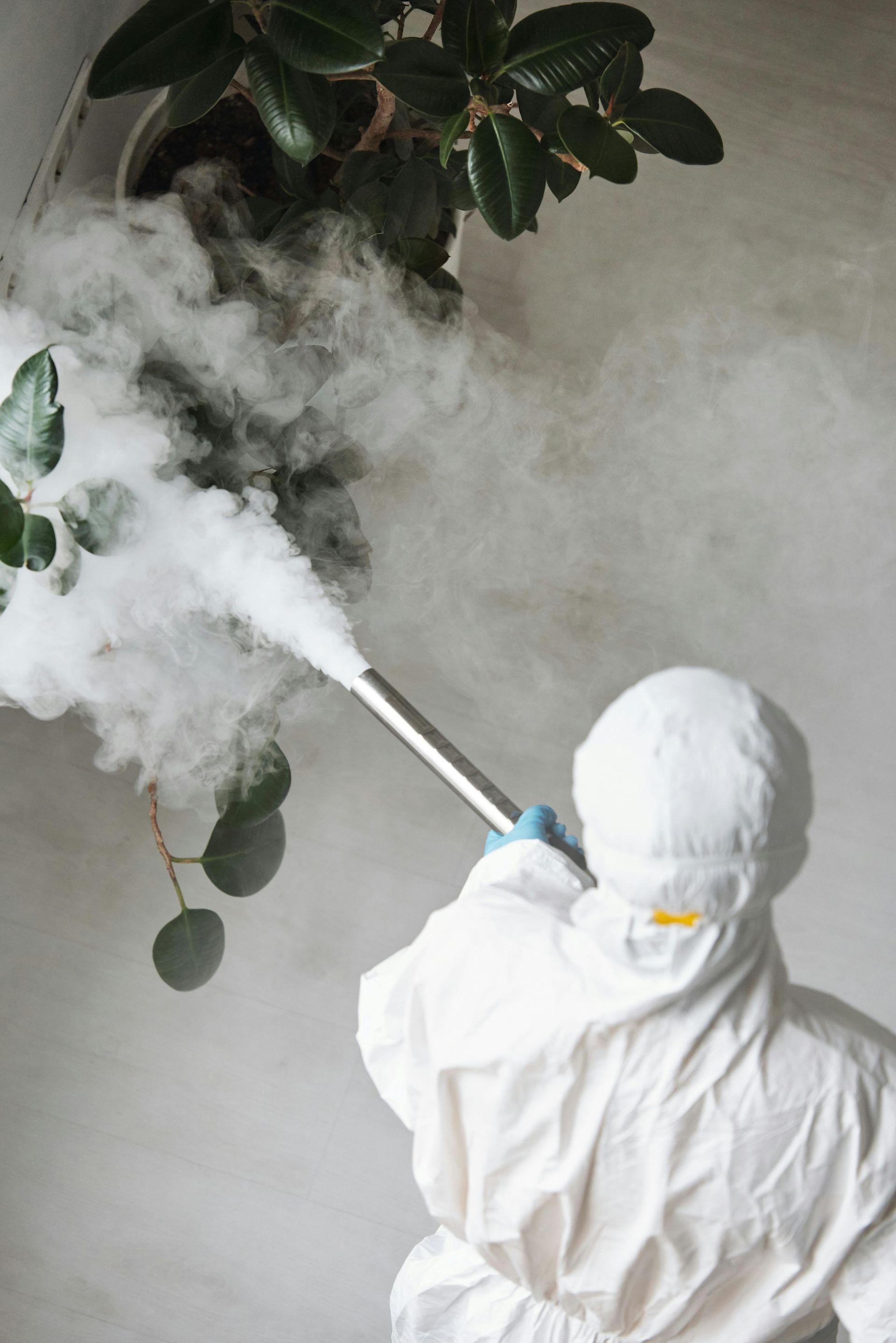
Whether you're a tenant or a landlord, one thing is clear: once a pest problem exists, getting it resolved quickly is in everyone's best interest. And in most serious situations, professional pest control is the most effective — and often the only truly effective — solution.
DIY sprays and store-bought traps can handle the occasional stray insect. But for real infestations — especially termites, rodents, or bed bugs — they simply aren't enough.
Our post on DIY vs. Professional Pest Control covers this in detail. Here's the short version: professionals identify the root cause, use commercial-grade treatments, and provide the kind of lasting results that a can of spray simply cannot deliver.
Not sure if your situation warrants professional help? Read 10 Signs You Have a Pest Problem— if you're checking off multiple boxes, it's time to call.
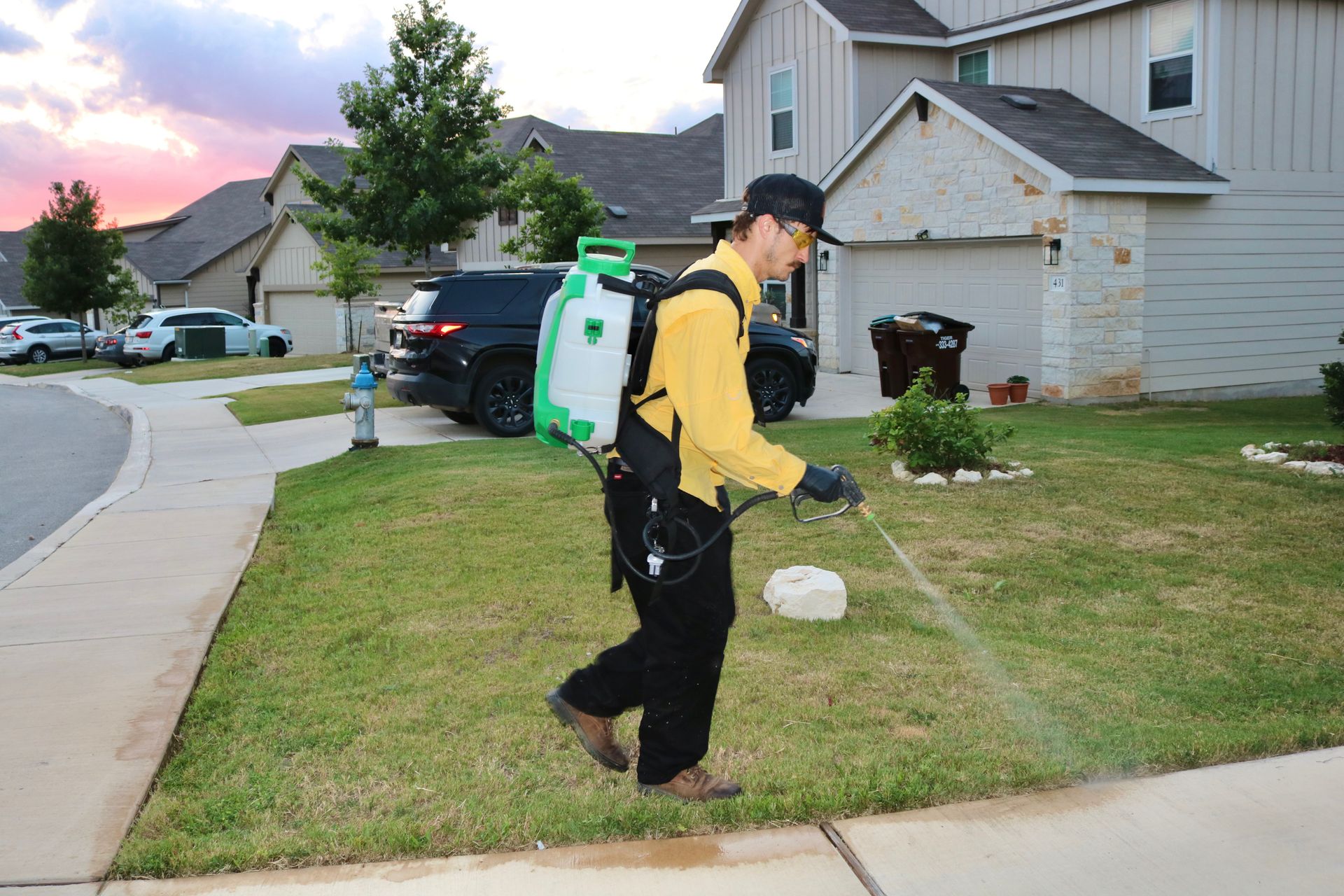
At Buckin' Bugs Pest Control, we are a locally owned San Antonio–area company serving tenants, homeowners, landlords, and property managers throughout Bexar County and beyond. Our licensed technicians use eco-friendly, EPA-approved products and respond quickly — often the same day.
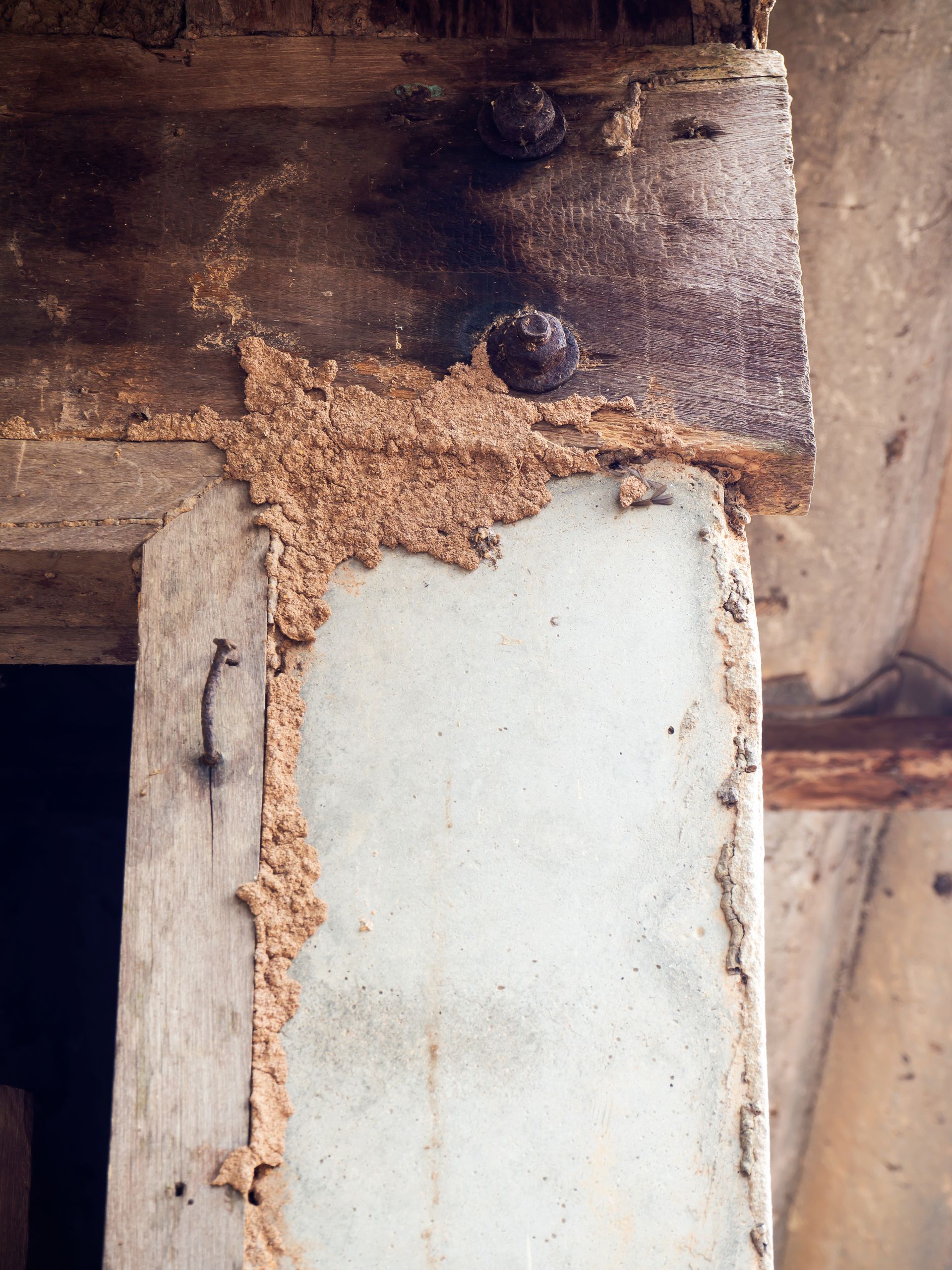
- Need termite treatment? We handle full inspections and targeted treatments.
- Rodent problem? Our rodent control service covers inspection, trapping, and exclusion.
- Looking for a landlord maintenance plan? We offer flexible quarterly and bi-monthly service agreements.
Frequently Asked Questions
Q1: Are landlords required to provide pest control in Texas?
In Texas, landlords are generally required to maintain rental properties in a livable condition under the implied warranty of habitability (Texas Property Code § 92.056). This typically includes addressing serious pest infestations — such as rodent or cockroach infestations — that render the unit uninhabitable. However, specific responsibilities may vary by lease agreement. This is general information, not legal advice.
Q2: Can a tenant withhold rent because of a pest infestation in Texas?
Under Texas law, tenants may have the right to repair a condition and deduct the cost from rent, but only under specific legal conditions. Withholding rent entirely carries serious legal risk. The tenant must typically provide written notice and give the landlord a reasonable time to address the problem. Consult a Texas tenant attorney before taking this step.
Q3: Who is responsible for pest control if I caused the infestation?
If a pest infestation is caused or worsened by a tenant's behavior — such as leaving food out, improper trash disposal, or hoarding — the tenant may bear some or all of the responsibility for pest control costs. Review your lease agreement for specific language about tenant obligations.
Q4: What should I do if my landlord ignores a pest infestation?
Document the problem thoroughly with photos and dates. Send your landlord a written request describing the issue. If no action is taken within a reasonable timeframe, you may be able to file a complaint with your local health department or code enforcement agency. For serious infestations, consult a Texas tenant rights attorney.
Q5: Do landlords need to disclose pest problems before renting a property?
Texas law requires landlords to disclose certain material property conditions. Knowingly concealing a serious pest infestation could be considered a material misrepresentation. If you discover a pre-existing infestation after move-in that the landlord knew about, document it immediately and contact a tenant attorney.
Q6: How often should a rental property be treated for pests?
Most pest control professionals recommend quarterly treatments for general prevention, with additional treatments as needed for specific pest issues. Landlords managing multiple units benefit significantly from setting up a recurring service plan with a licensed pest control company. It reduces costs, limits liability, and keeps tenants happy.
Q7: Can Buckin' Bugs work directly with landlords and property managers?
Absolutely. Buckin' Bugs Pest Control works with landlords, property managers, and tenants throughout the greater San Antonio area. We coordinate access and treatment schedules, provide documentation for compliance purposes, and offer ongoing maintenance plans designed for rental properties. Call 830-715-9292 or visit our website to discuss your needs.
The Bottom Line
So — are landlords responsible for pest control? In Texas, the answer is often yes, when the infestation is serious enough to affect habitability and wasn't caused by tenant behavior. But the specifics depend heavily on your lease agreement and the exact circumstances of the infestation.
Whether you're a tenant trying to get your landlord to act, or a landlord looking to stay ahead of pest problems before they become disputes, the smartest move is the same: get a professional pest control company involved quickly.
Buckin' Bugs is proud to serve tenants, homeowners, and property managers across San Antonio [buckinbugs.com/san-antonio-texas] and the surrounding area. We're locally owned, licensed, insured, and ready to help — often the same day you call.