When Is Termite Season in Texas? | Buckin' Bugs
When Do Termites Swarm in Texas?
Native Subterranean Termites
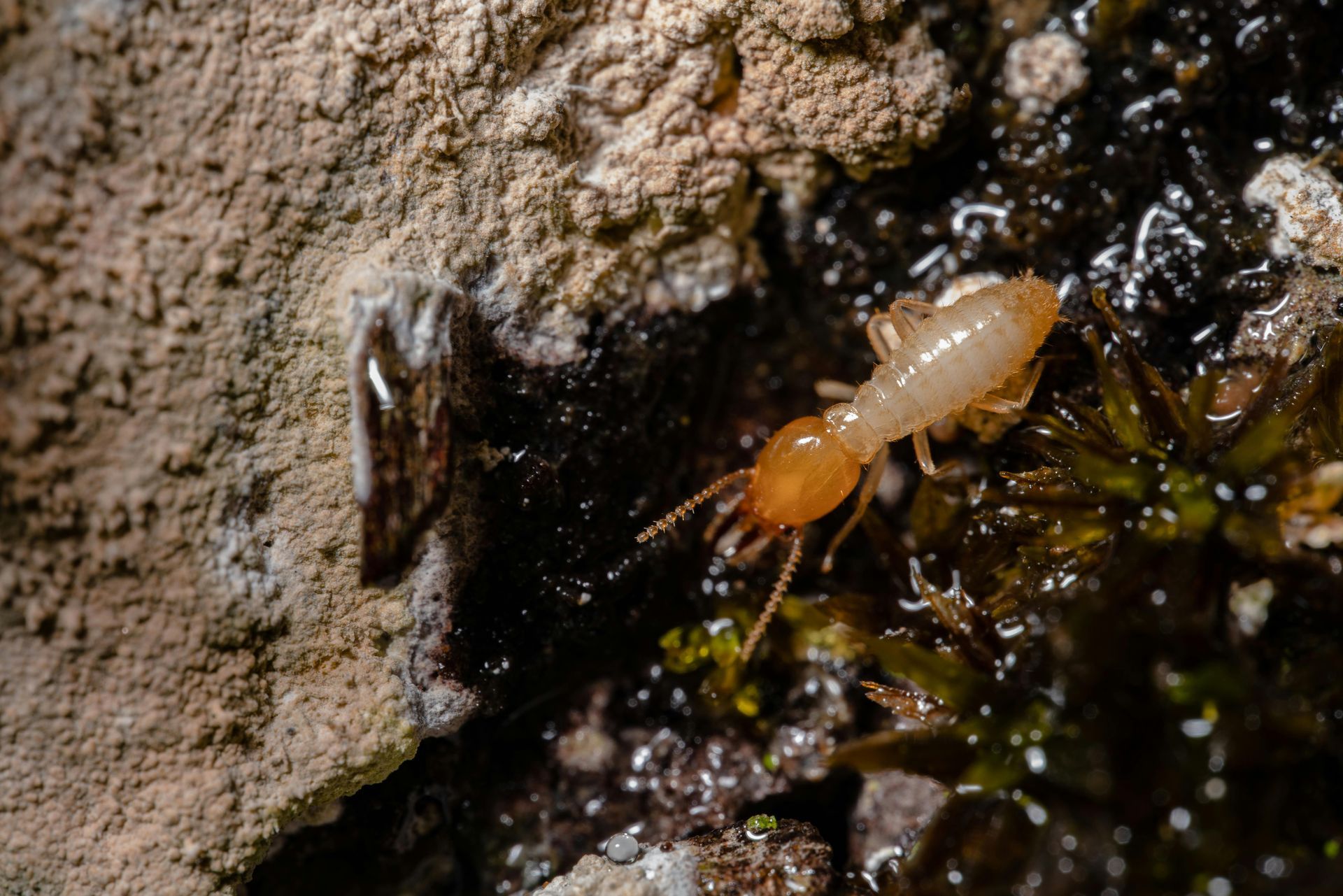
Eastern subterranean termites, the species most commonly found across Central Texas, typically swarm from February through May, with activity peaking in March and April. These swarms tend to happen during the day, often in the morning, on warm days that follow a good rain — a combination of rising soil temperature and moisture that signals ideal conditions for a colony to send out new reproductives.
Formosan Termites
Formosan subterranean termites are a larger, more destructive, invasive species that has been confirmed in several Central and Southeast Texas counties, including Bexar County. Their swarm season runs a bit later, typically late April through June, and unlike native subterranean termites, they swarm at night and are strongly attracted to light — which is why they're sometimes nicknamed the "Mother's Day termite," since swarms often line up close to that holiday. A single mature Formosan colony can contain over a million termites, far larger than a typical native subterranean colony, which makes early detection especially valuable.
Drywood Termites
Drywood termites are less common inland but do turn up in parts of Texas, generally swarming later in the year, from late summer into fall. Unlike subterranean and Formosan termites, they don't need soil contact and can infest dry wood directly, including furniture and structural framing.
Put together, that means Texas homeowners can realistically see termite swarm activity anywhere from February through November, with the heaviest, most concentrated swarm pressure falling between March and June.
What Triggers a Termite Swarm?
Termite swarms are driven by weather, not the calendar. The most common trigger is a warm day or warm, calm night that follows a period of rain, once soil temperatures climb consistently into the 70s. That combination of warmth and moisture tells a mature colony that conditions are right to send out winged reproductives — called alates — to start new colonies elsewhere. This is also why swarm timing can shift a few weeks earlier or later from year to year depending on how wet or dry a given spring turns out to be.
Termite Swarmers vs. Flying Ants
A termite swarm and a flying ant swarm can look similar at a glance, but there are a few reliable ways to tell them apart:
- Waist: Termites have a broad, straight waist; flying ants have a distinctly pinched waist.
- Antennae: Termite antennae are straight; ant antennae are bent, or "elbowed."
- Wings: Termite wings are equal in length and much longer than the body; ant wings come in two different lengths.
If you're not sure which one you're looking at, treat it as a termite swarm until a professional tells you otherwise — the cost of a wasted phone call is far lower than the cost of an undetected termite colony.
Why a Termite Swarm Indoors Is a Bigger Deal Than One Outdoors
Seeing a termite swarm outside your home doesn't automatically mean your house is infested — colonies swarm from all over a neighborhood, including wooded areas and neighboring properties. But a swarm indoors, or discarded wings collecting on windowsills and floors inside your home, is a much stronger signal that a colony has already established itself in or under your house. We cover this alongside other early pest warning signs — including the mud tubes subterranean termites build along foundations — in our post on 10 Signs You Have a Pest Problem (And What to Do About It).
How to Prepare Before Termite Season Peaks
Termite damage happens quietly, often for months or years before it's visible, which makes prevention far more effective than waiting for a swarm to confirm the problem. Before the spring swarm window arrives:
- Keep mulch, soil, and landscaping from touching your home's siding or foundation directly.
- Fix leaks and improve drainage around the foundation — moisture is the single biggest draw for subterranean termites.
- Store firewood, lumber, and other wood materials away from the house, ideally off the ground.
- Watch for mud tubes along the foundation, especially on shaded or damp sides of the house.
- Schedule a professional termite inspection before peak season rather than after a swarm shows up.
If you're deciding whether a DIY approach is enough for a termite concern, our post on DIY vs. Professional Pest Control: Which One Should You Choose? explains why termites are one of the clearest cases for calling in a professional rather than handling it yourself.
Get Ahead of Termite Season
Texas termite pressure is significant enough that the state falls into the higher-risk termite infestation probability zones nationally, and Bexar County specifically has confirmed activity from both native subterranean and invasive Formosan termites. Buckin' Bugs offers full termite inspection and treatment services throughout San Antonio, Boerne, and New Braunfels, TX, including liquid soil treatments, bait station monitoring, and Wood Destroying Insect Reports (WDIR) for real estate transactions.
Don't wait for a swarm in your living room to take termite season seriously. Schedule a free inspection today and let our team catch a colony before it costs you thousands in structural repairs.