What Is Pest Control and Why Do You Need It?
You open the cabinet under your kitchen sink and spot something you didn't put there — a few dark specks, a chewed bag of rice, or worse, something skittering into the dark. Maybe it's a line of ants marching across your windowsill. Maybe it's a damp, musty smell you can't quite place. Whatever it is, something feels off.
If you've found yourself wondering what to do next — or even what pest control actually is — you're in the right place.
This guide will walk you through everything you need to know: what pest control means, the different types available, why it matters for your health and your home, and how to know when it's time to call a professional.
What Is Pest Control?
Pest control is the process of managing, reducing, or eliminating pest populations that threaten human health, property, or quality of life. It's a broad term that covers everything from sealing a gap under your front door to stop ants from entering, to a licensed technician applying targeted treatments to eliminate a subterranean termite colony beneath your home.
The goal of pest control isn't just to kill bugs — it's to create conditions where pests can't survive, breed, or gain a foothold in the first place. Done right, it combines prevention, monitoring, and treatment into a long-term strategy that keeps your home or business protected.
Pest control applies to homes, rental properties, businesses, restaurants, warehouses, and outdoor spaces. Virtually any environment where people live, work, or eat can benefit from it.
Types of Pest Control Methods
Not all pest control is the same. There are several different approaches, and the right one depends on the pest, the severity of the problem, and the environment being treated.
Here's a plain-language breakdown of the main types:
Chemical Pest Control
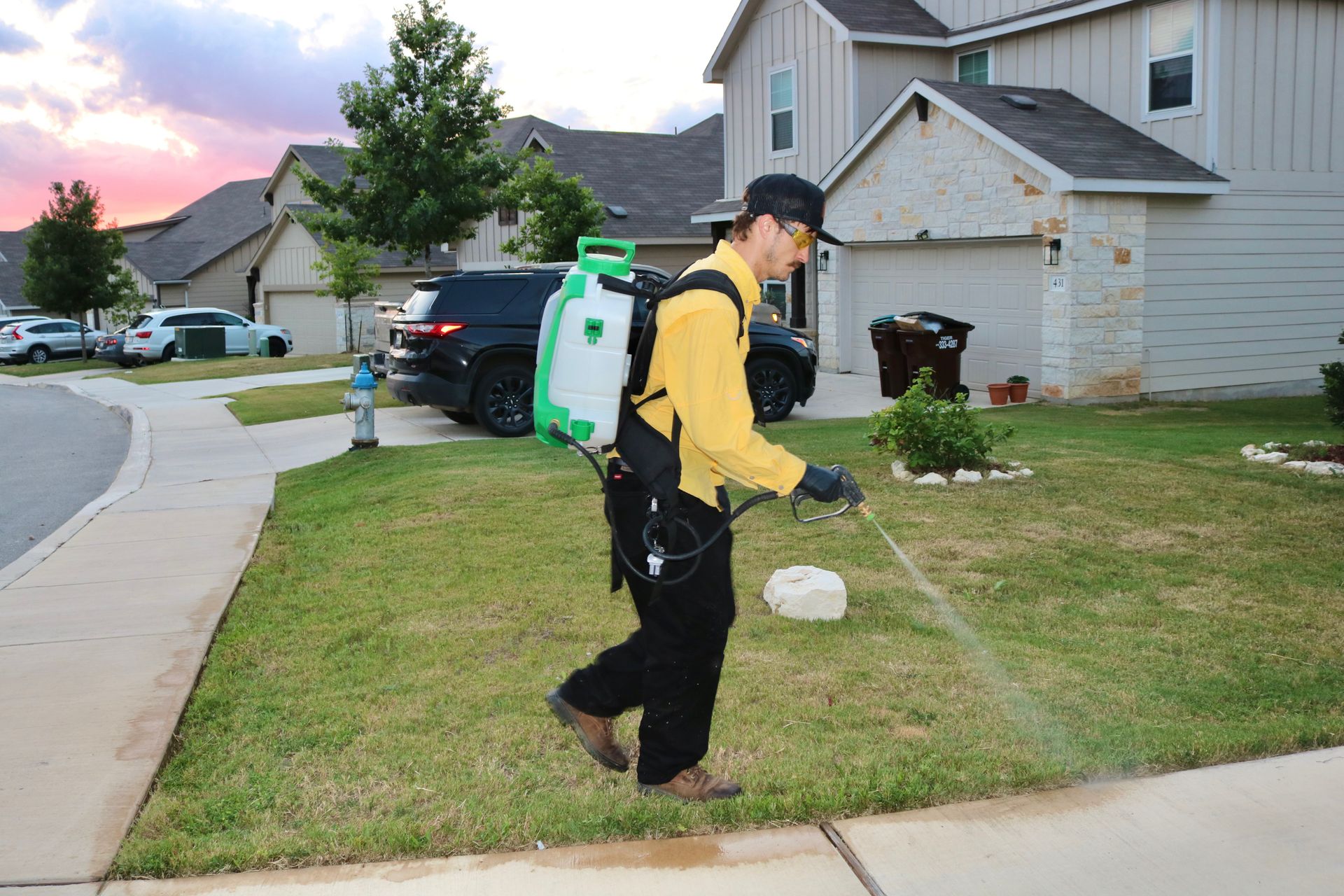
Chemical pest control is the most familiar type — it includes insecticide sprays, granular baits, dusts, and fumigation treatments applied to eliminate or repel pests. When people picture an exterminator at work, this is usually what they imagine.
Modern chemical pest control products are far safer than their predecessors. Licensed professionals use EPA-registered formulations that are specifically designed to target pests while minimizing risk to humans, pets, and the broader environment. Proper application — the right product, in the right place, at the right concentration — is what separates professional results from DIY guesswork.
At Buckin' Bugs, our general pest control services use targeted chemical treatments for everything from cockroaches and ants to spiders and earwigs.
Biological Pest Control
Biological pest control uses living organisms — natural predators, parasites, or pathogens — to control pest populations. You may have heard of releasing ladybugs to control aphids in a garden, or using Bacillus thuringiensis (Bt), a naturally occurring bacteria, to control mosquito larvae. These methods are more common in agricultural settings than in residential pest control, but they're part of the broader toolkit.
Physical / Mechanical Pest Control
Physical pest control involves hands-on methods to capture or exclude pests — snap traps and glue boards for rodents, door sweeps and caulk to seal entry points, wire mesh to block roof vents, and screens to prevent insects from entering. It's often the most durable long-term solution because it addresses the root cause: how pests are getting in.
This approach is central to our rodent control and wildlife removal services, where exclusion work — physically blocking pest entry points — is just as important as trapping.
Integrated Pest Management (IPM)
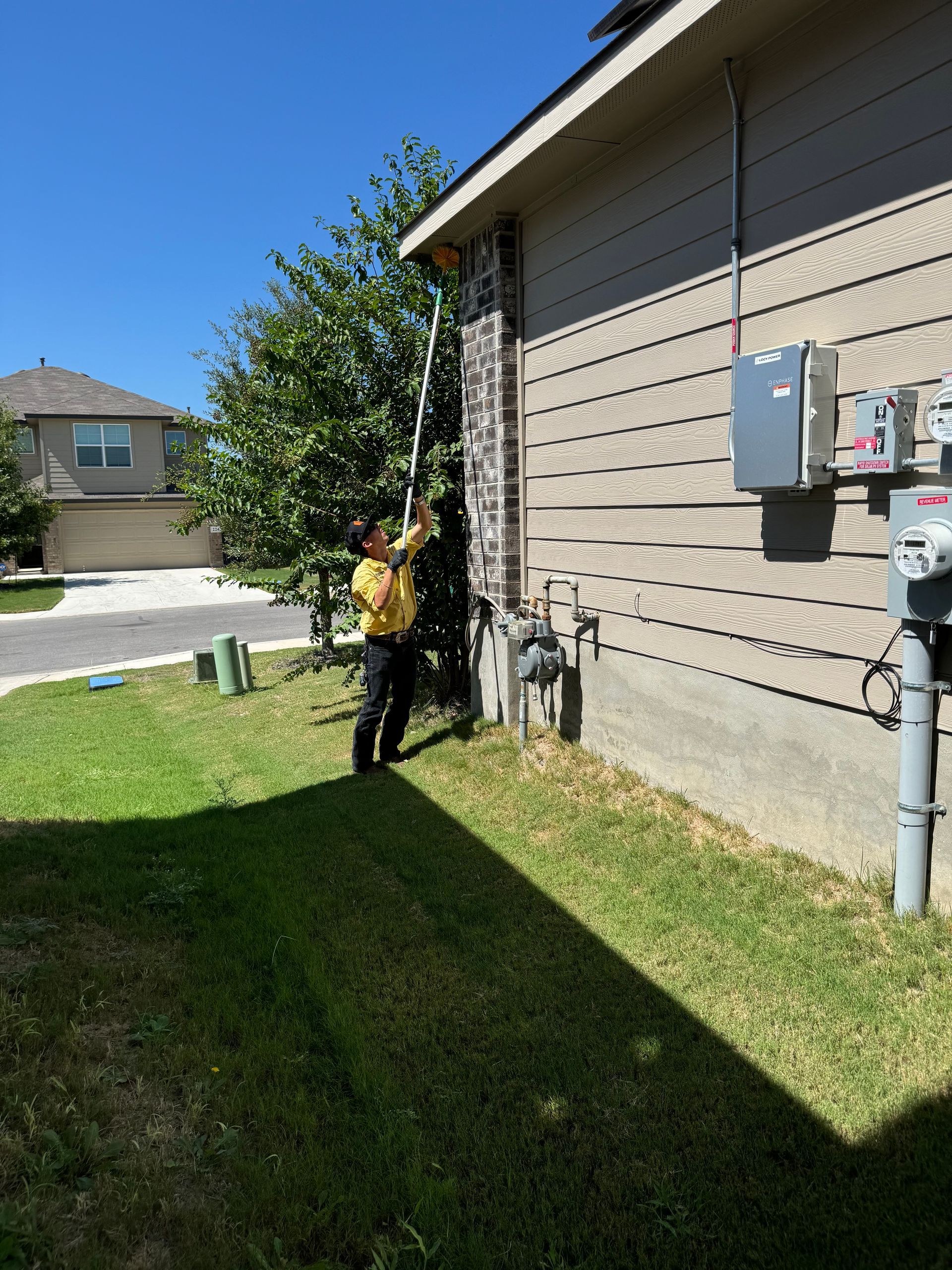
Integrated Pest Management, or IPM, is the gold standard approach in modern pest control. Rather than defaulting to maximum chemical application, IPM combines inspection, prevention, monitoring, and targeted treatment to solve pest problems with the least possible environmental impact.
The process starts with identifying the pest accurately, understanding how it's getting in, and what conditions are supporting it. Then the most effective and least invasive treatment is selected. Results are monitored and follow-up treatments are applied as needed. It's smarter, safer, and more effective over the long run than simply spraying and hoping.
This is the philosophy behind how we work at Buckin' Bugs — we don't just treat symptoms, we identify and address the conditions that are allowing pests to thrive.
Why Do You Need Pest Control?
Some people think pest control is a luxury — something you only need when things get really bad. But the reality is that pest control is one of the most practical investments a homeowner or property manager can make.
Here's why.
Protect Your Health
Pests aren't just unpleasant — many of them are genuinely dangerous. Cockroaches shed skin and leave droppings that contain allergens proven to trigger asthma attacks, particularly in children. Rodents can carry Hantavirus, Salmonella, and Leptospirosis. Mosquitoes in Texas are known carriers of West Nile Virus, which can cause serious neurological illness. Ticks transmit Lyme disease and Rocky Mountain spotted fever.
The risks are real, and they're not limited to rare or worst-case scenarios. If you're dealing with mosquitoes in your yard, check out our mosquito treatment services — we offer barrier spray programs that provide lasting protection for your outdoor spaces.
If you're a renter dealing with pests and wondering who's responsible for addressing them, see our related post: Are Landlords Responsible for Pest Control? [buckinbugs.com/blog/are-landlords-responsible-for-pest-control]
Prevent Property Damage
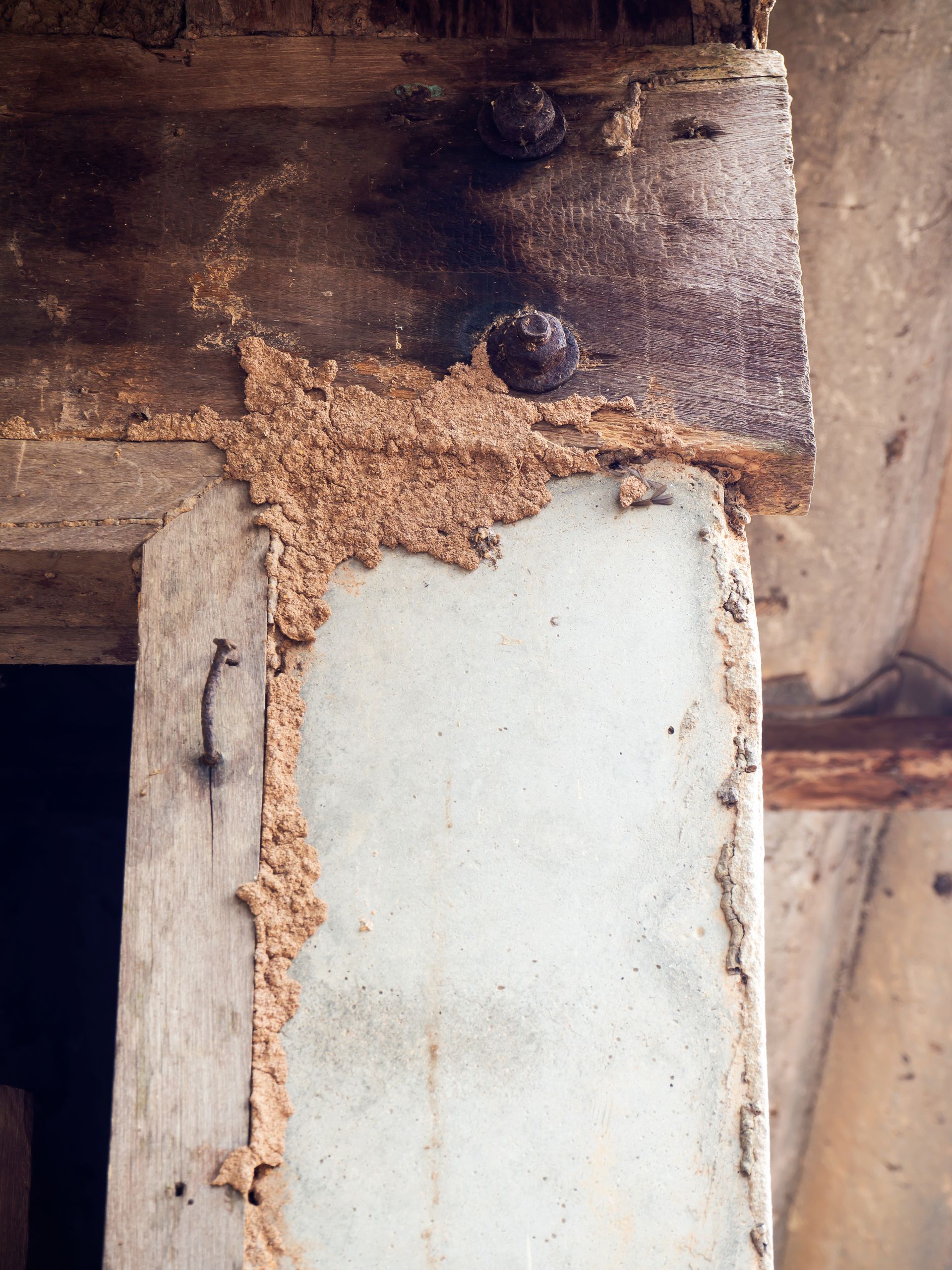
Pests don't just affect your health — they can quietly destroy your home. Subterranean termites cause an estimated $5 billion in property damage across the United States every year. They live underground, tunneling up through soil to attack the wooden structural elements of your home — often for years before any visible signs appear. By the time you see damage, it's usually significant.
Rodents are no better. Rats and mice chew through electrical wiring (a leading cause of house fires), insulation, drywall, and stored belongings. Carpenter ants hollow out wood to build their galleries. All of these pests cause damage that is expensive to repair and even more expensive if left undetected. Our termite treatment [buckinbugs.com/termite-treatment] services include thorough inspections designed to catch problems early — before the damage bill grows.
Stop Infestations Before They Spread
One of the most important things to understand about pests is how fast they reproduce. A single female cockroach can produce up to 300 offspring in her lifetime. A rodent pair can multiply into dozens within a few months. Fire ant colonies can contain hundreds of thousands of workers. What starts as a minor issue can become a major infestation in a matter of weeks.
This is why early intervention is so critical — and so much cheaper than waiting. If you're not sure whether you have a pest problem, read our guide: 10 Signs You Have a Pest Problem [buckinbugs.com/10-signs-you-have-a-pest-problem-and-what-to-do]. If several of those signs are familiar, it's time to call.
Preserve Peace of Mind
There's something that doesn't show up on an invoice but matters a great deal: peace of mind. Living with a pest problem is stressful. It affects your sleep, your comfort in your own home, and how you feel about having guests over. You shouldn't have to wonder what's crawling around in your walls at night.
Professional pest control restores that sense of security. When a licensed technician has inspected your home, treated the problem, and set up a prevention plan, you can genuinely relax — knowing the job was done right.
Common Pests in San Antonio, TX That Require Professional Control
San Antonio and the broader South Texas area have a warm climate, which means pests are active for most of the year — and some of them don't take any season off. If you're new to the area, or just learning about what's out there, our common pests [buckinbugs.com/common-pests] page has a detailed breakdown.
Here's a quick overview of the pests we deal with most in San Antonio [buckinbugs.com/san-antonio-texas] and surrounding communities:
Fire Ants
Fire ants are one of the most aggressive and widespread pests in South Texas. They build large mound colonies in yards, gardens, and along foundations, and they sting repeatedly when disturbed. Fire ant stings are painful for adults and potentially dangerous for children, elderly individuals, and anyone with an allergy. Professional treatment addresses both the visible mound and the colony beneath it.
American Cockroaches
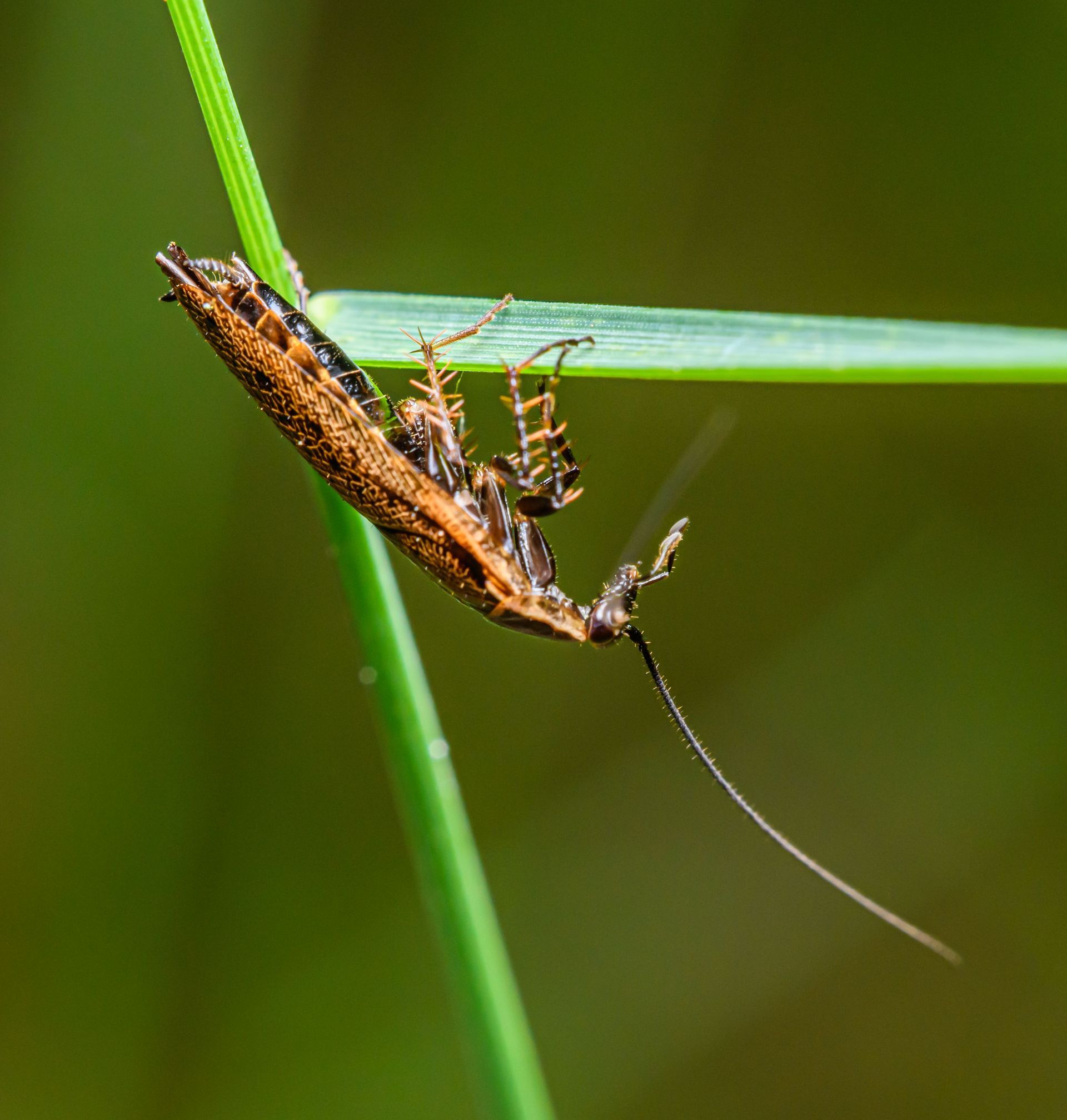
Also called "waterbugs" locally, American cockroaches are large, fast, and incredibly resilient. They thrive in the Texas heat and humidity, entering homes through drains, gaps around pipes, and poorly sealed doors. They contaminate food and surfaces with bacteria and allergens, and a small problem can become a serious infestation quickly without professional intervention.
Subterranean Termites
Subterranean termites are the most destructive pest in Texas, period. They live underground and attack wooden structural elements from below, forming mud tubes as they travel. They work silently and are rarely visible until significant damage has already been done. Annual termite inspections are one of the most important things a San Antonio homeowner can do to protect their investment.
Mosquitoes
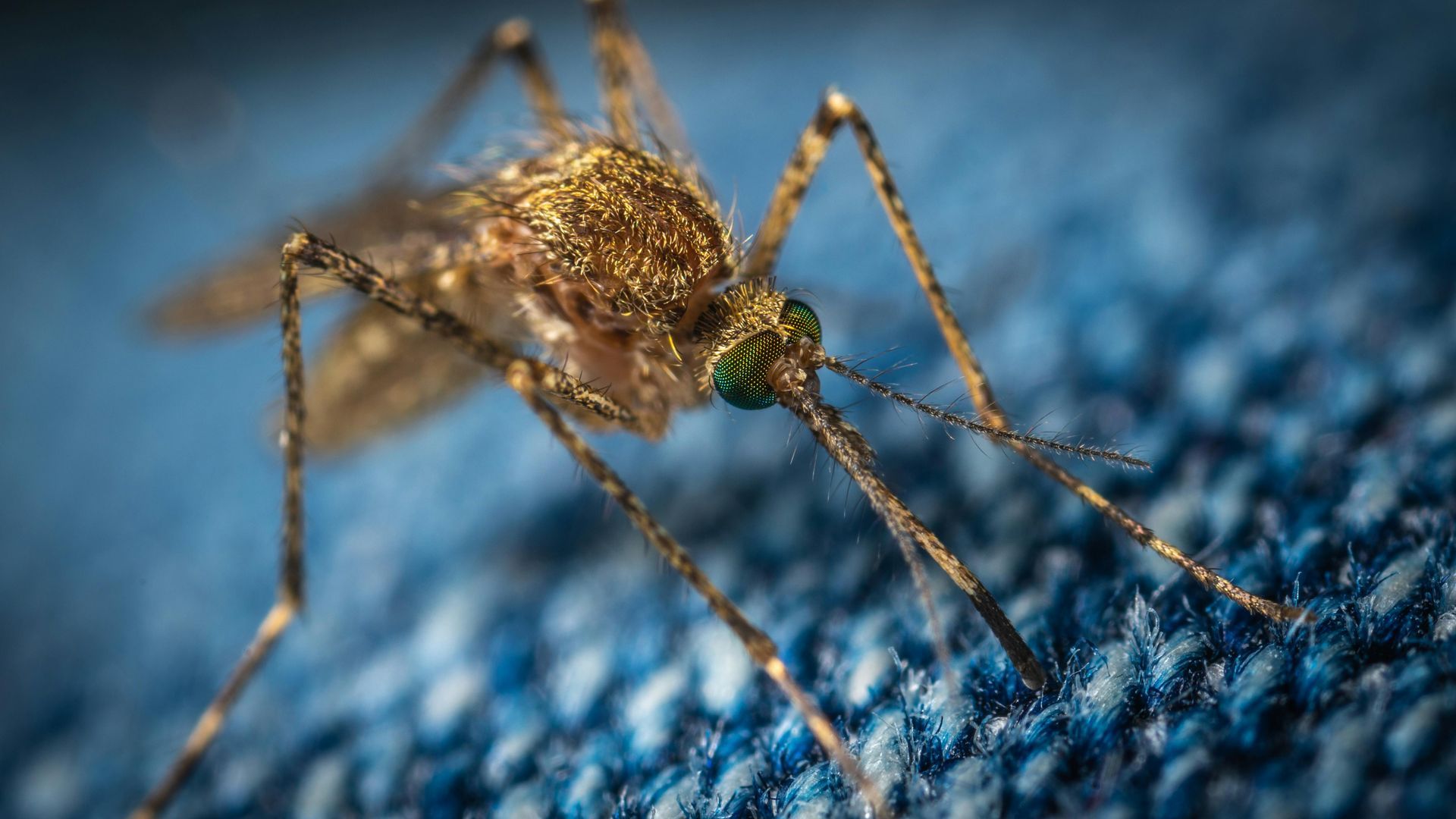
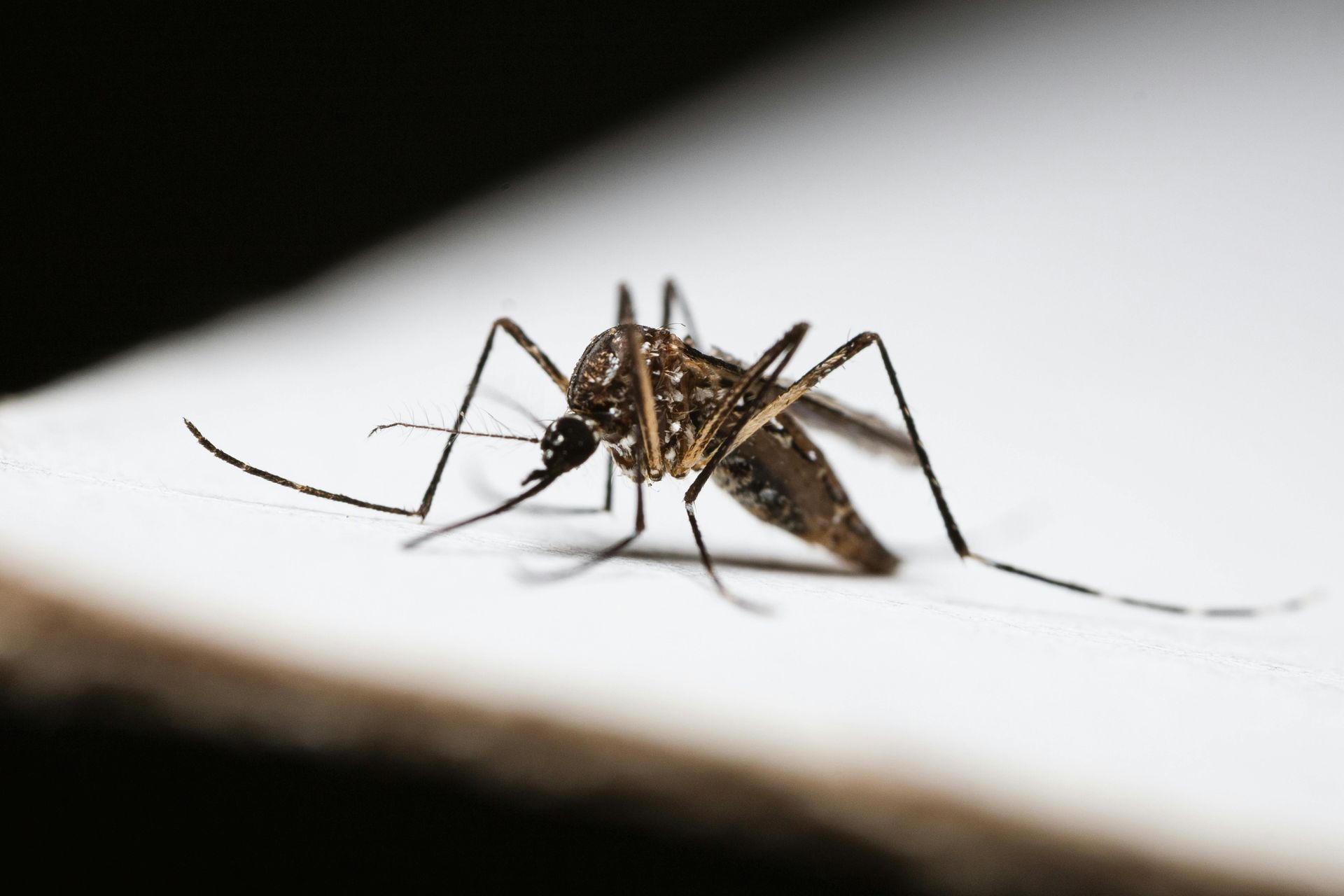
In South Texas, mosquitoes are active for most of the year. They breed in any standing water — flower pots, gutters, bird baths, low-lying areas after rain — and can make outdoor spaces nearly unusable during peak season. Beyond the nuisance, Texas mosquitoes are vectors for West Nile Virus and other diseases, making professional control more than a matter of comfort.
Rodents — Roof Rats and House Mice
Roof rats are an increasingly common problem in suburban San Antonio neighborhoods. They nest in attics, ceilings, and wall voids, chew through electrical wiring, and contaminate stored food. House mice are smaller but equally problematic and can reproduce rapidly once inside. Both require a professional approach that includes inspection, trapping, and exclusion.
Scorpions
Striped bark scorpions are the most common scorpion species in Texas, and while a healthy adult's sting is rarely life-threatening, it is extremely painful — and more concerning for children and pets. Scorpions typically enter homes through gaps in foundations, around plumbing, and under doors. Exterior treatments targeting harborage areas can significantly reduce scorpion activity.
DIY vs. Professional Pest Control: What's the Difference?
Walk down any hardware store aisle and you'll find sprays, traps, and baits promising to solve your pest problems. And for a stray ant here or a single spider there, a DIY product might be all you need. But there's a meaningful gap between what you can buy off the shelf and what a licensed pest control professional can do.
DIY pest control products are formulated for general consumer use — lower concentrations, broader application, and no guarantee of identifying the right pest or the right treatment. They treat what you can see. Professional pest control identifies what you can't: where the colony is nesting, how pests are entering, what conditions are supporting the infestation, and how to eliminate it at the source.
For recurring infestations, structural pests like termites, or any problem that keeps coming back after DIY treatment, professional pest control is the clear choice. We've written a detailed comparison: DIY vs. Professional Pest Control: Which One Should You Choose? [buckinbugs.com/diy-vs-professional-pest-control-which-one-should-you-choose]
How Often Do You Need Pest Control?
The right frequency depends on your situation, your home, and the pests you're dealing with.
That said, here are the general guidelines we recommend:
- Quarterly service (every 3 months): The most popular and effective option for most San Antonio homes. Covers the full seasonal cycle and prevents pests from establishing between treatments.
- Monthly service: Recommended for homes with active infestations, or properties in high-pressure environments (near wooded areas, bodies of water, or with known structural vulnerabilities). Also common in food service or commercial settings.
- One-time treatments: Available for specific problems — like a single wasp nest, a localized ant colony, or pre-purchase termite inspections. Effective for acute issues but don't provide ongoing protection.
Here in South Texas, the warm climate means pests are active nearly year-round. There's no true "off season" for cockroaches, fire ants, or mosquitoes. For that reason, a consistent quarterly maintenance plan typically delivers the best protection and value for homeowners in the San Antonio area.
Frequently Asked Questions
Q1: What is the definition of pest control?
Pest control is the process of managing, reducing, or eliminating pest populations that pose a threat to human health, food sources, or property. It includes both preventive measures — sealing entry points, removing harborage conditions — and active treatments such as sprays, baits, traps, and exclusion, carried out by homeowners or licensed professionals.
Q2: Why is pest control important for homeowners?
Pest control protects your home from structural damage caused by termites and rodents, reduces health risks from disease-carrying pests like mosquitoes and cockroaches, and prevents small infestations from becoming large, expensive problems. Regular pest control is one of the most cost-effective forms of ongoing home maintenance.
Q3: What are the most common household pests in San Antonio, TX?
In San Antonio and the surrounding South Texas area, the most common household pests include American cockroaches, fire ants, subterranean termites, mosquitoes, roof rats, house mice, and scorpions. Each pest requires a targeted treatment approach — which is why a professional assessment is always the best starting point.
Q4: How often should I get pest control service?
Most pest control professionals recommend quarterly (every three months) treatments for general prevention. Homes with active infestations may need monthly service initially. In Texas, where warm temperatures support year-round pest activity, consistent preventive treatment is especially important for keeping infestations from re-establishing.
Q5: Is professional pest control safe for kids and pets?
Yes. Licensed pest control companies use EPA-registered products applied according to strict safety guidelines. At Buckin' Bugs, we use eco-friendly formulations and always advise you on any precautions before and after treatment — such as keeping pets off treated surfaces until dry. Your family's safety is our first priority.
Q6: Can I do pest control myself instead of hiring a professional?
DIY products can handle minor, isolated pest problems. However, for recurring infestations, structural pests like termites, or any situation involving health risks, professional pest control is significantly more effective. Professionals identify root causes, use commercial-grade products, and provide warranty-backed results that store-bought solutions simply can't match.
Q7: How do I know if I need pest control?
Common signs include visible pest activity (live or dead insects or rodents), droppings, gnaw marks, unusual odors, mud tubes (termites), and unexplained bites or skin irritation. If you're noticing any of these, don't wait. Read our full guide — 10 Signs You Have a Pest Problem (And What to Do About It) [buckinbugs.com/10-signs-you-have-a-pest-problem-and-what-to-do] — then give us a call.
Ready to Protect Your Home? Here's How We Can Help.
Pest control isn't complicated once you understand what it is and why it matters. It's about protecting your health, your home, and your peace of mind — and doing it in a way that's safe, effective, and built to last.
If you're in the San Antonio area and you've been putting off dealing with a pest problem, there's no better time than now. Small problems become expensive ones fast, and the South Texas climate means pests don't take a break.
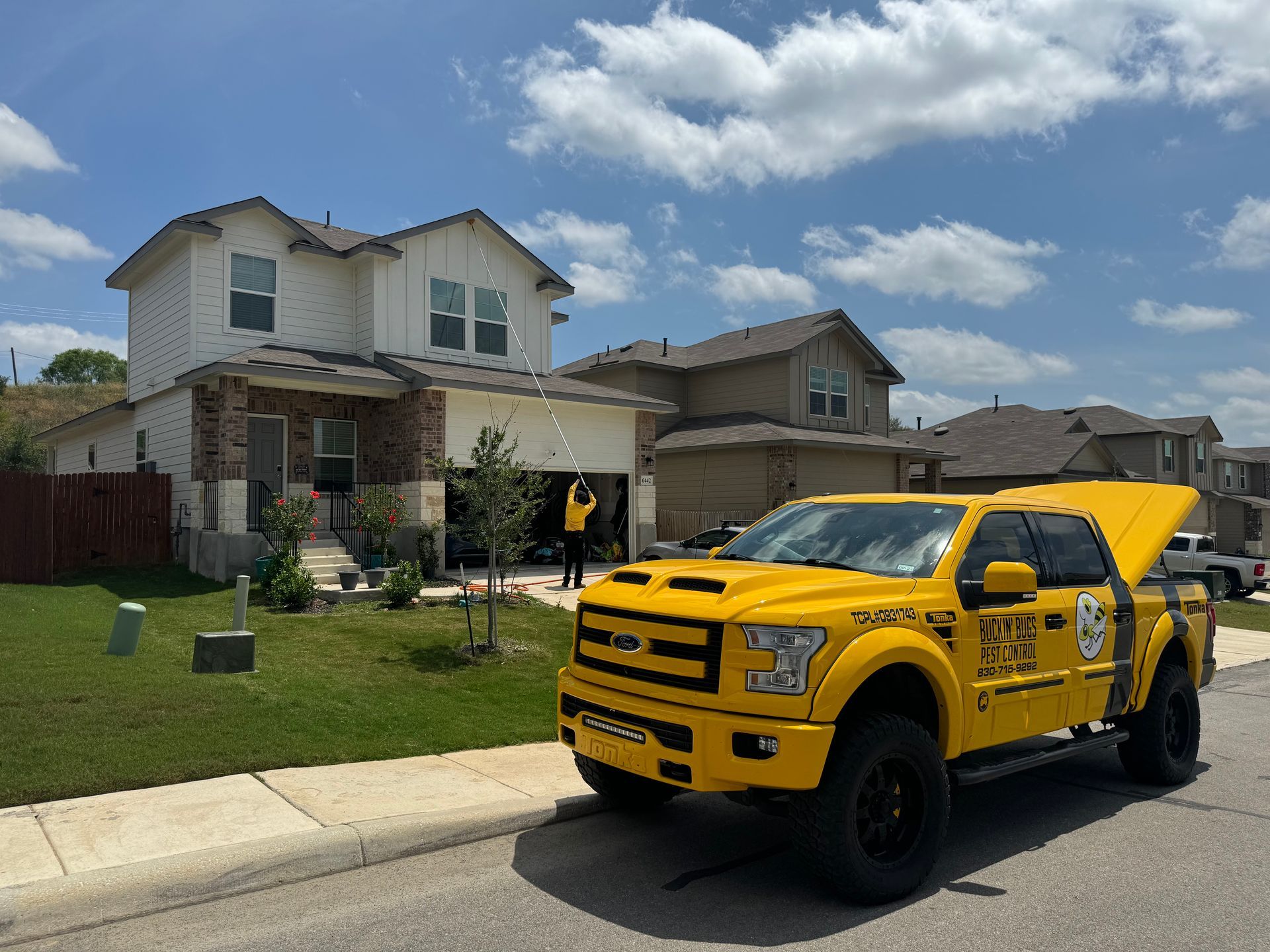
Buckin' Bugs Pest Control is locally owned, licensed, and insured. We serve homeowners, renters, landlords, and businesses throughout San Antonio and the surrounding Bexar County area. We offer free inspections, transparent pricing, and eco-friendly treatments that are safe for your whole family.
Visit our contact us [buckinbugs.com/contact-us] page or call us directly to get started.