When Is Cockroach Season in Texas?
When Does Cockroach Season Start in Texas?
Cockroach activity typically starts picking up in early spring, around March and April, as temperatures and humidity begin to climb. Cockroaches are cold-blooded, so warmer weather speeds up their metabolism, activity level, and reproduction rate almost immediately. As soon as consistent daytime highs settle into the 70s and 80s, roaches that spent the winter tucked into wall voids, sewer lines, and landscaping start moving again — looking for food, water, and mates.
When Does Cockroach Activity Peak?
In the San Antonio area, cockroach season generally peaks from late spring through early fall — roughly May through September. Our long, hot, humid summers are close to ideal conditions for most species that trouble Texas homes. Heavy summer rain adds another push: a downpour can flood outdoor harborage areas and send roaches, especially American cockroaches, looking for drier ground closer to — or inside — your house.
This is also the stretch of the year when a small roach problem can turn into a large one fastest. Warm, humid conditions shorten the time it takes eggs to hatch and nymphs to mature, so an infestation that would take months to build in cooler weather can establish itself in a matter of weeks during peak season.
Why Texas Cockroaches Don't Fully Go Away in Winter
Unlike some pests that disappear entirely once the weather cools, cockroaches in the San Antonio area rarely take a full winter off. Our winters are mild enough that outdoor activity only slows rather than stops, and indoors it's a different story altogether. A heated home with a reliable kitchen, bathroom, and pantry gives cockroaches everything they need to keep breeding through December and January, regardless of what's happening outside.
That's the main reason cockroach prevention works best as a year-round habit rather than something you think about once summer arrives. Waiting until peak season to address a roach problem usually means catching it after it's already established.
German vs. American Cockroaches - Why the Species Matters
Not every roach problem looks the same, and the two species most San Antonio homeowners deal with behave very differently.
German Cockroaches
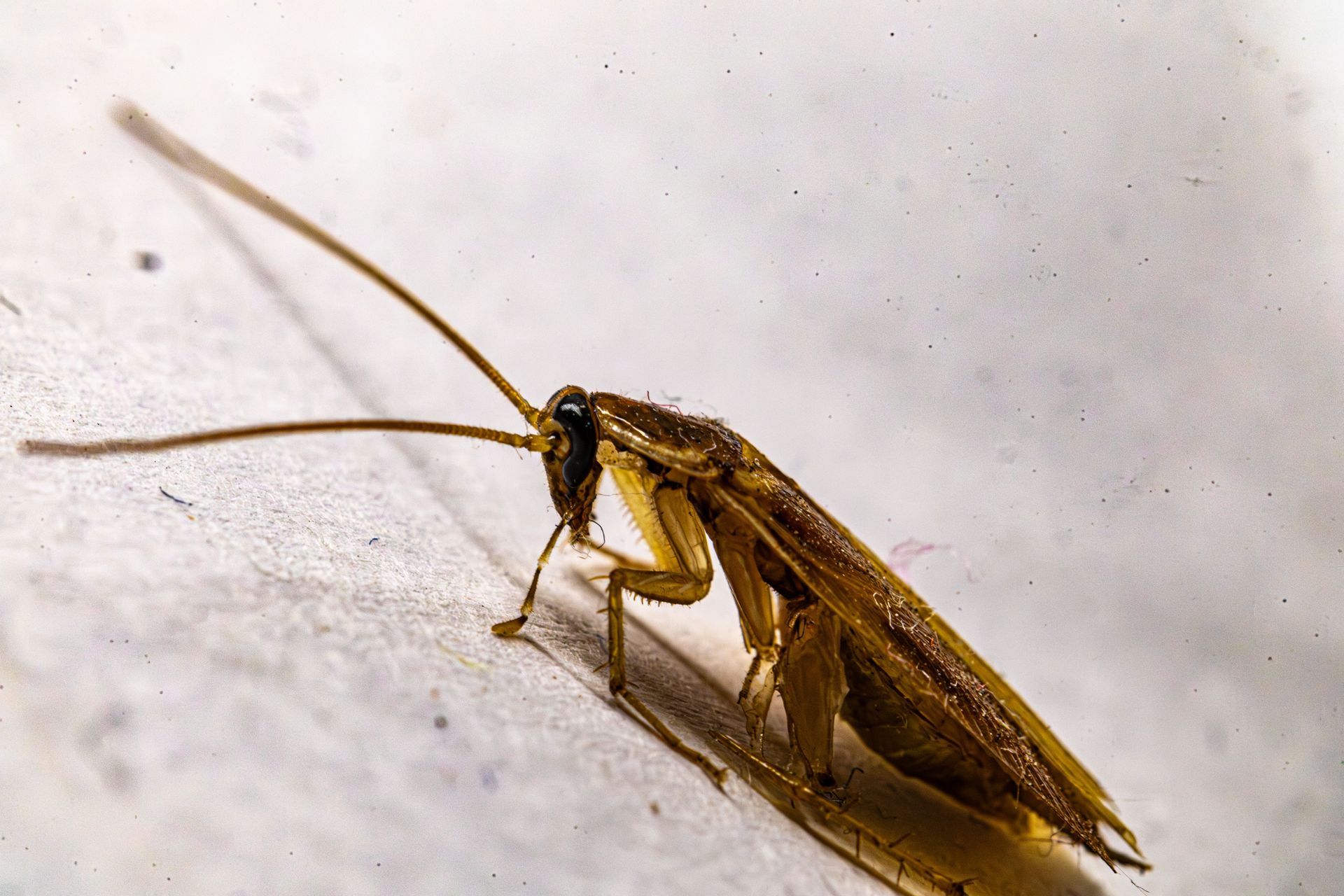
Small, light brown, and marked with two dark stripes behind the head, German cockroaches are almost always an indoor problem. They cluster in kitchens and bathrooms near food and moisture, and they reproduce faster than any other common species — a small sighting can become a serious infestation within weeks if it isn't addressed.
American Cockroaches
Larger and reddish-brown, American cockroaches are more of an outdoor and sewer-associated species. They're the ones most likely to startle someone after a heavy rain or a hot night, since they'll wander in from drains, foundations, or landscaping — and they can fly short distances when disturbed.
Smoky brown and Oriental cockroaches also turn up in the San Antonio area, particularly around mulch beds, woodpiles, and damp outdoor areas, though they're less commonly found deep inside homes than German cockroaches.
The species matters because the right treatment approach isn't the same for a kitchen full of German cockroaches as it is for American cockroaches wandering in from outside. That's one of the main reasons a professional inspection tends to get better long-term results than guessing with store-bought sprays.
Signs Cockroach Season Is Ramping Up at Your Home
Before you see a live cockroach in daylight — which usually means the population is already large — there are earlier warning signs worth checking for: dark, pepper-like droppings near cabinets and appliances, small egg cases (called oothecae) tucked into cracks and corners, shed skins from growing nymphs, and a musty odor in cabinets or pantries. We cover these signs in more detail, along with the same warning signs for other common pests, in our post on 10 Signs You Have a Pest Problem (And What to Do About It).
How to Prepare Before Cockroach Season Peaks
A little prevention in early spring goes a lot further than reacting once cockroaches are already established. Before the season ramps up:
- Seal cracks and gaps around your foundation, pipes, and utility entry points — these are the main highways roaches use to get inside.
- Fix leaks and reduce standing moisture in kitchens, bathrooms, and crawl spaces, since moisture is one of the biggest draws for cockroaches.
- Store food in sealed containers and avoid leaving pet food out overnight.
- Reduce clutter, especially stacks of cardboard, which German cockroaches in particular like to hide and lay eggs in.
- Schedule a pre-season inspection instead of waiting until you spot roaches in daylight.
If you're weighing whether to handle any of this yourself or bring in a professional, our post on DIY vs. Professional Pest Control: Which One Should You Choose? walks through when each approach makes sense.
Get Ahead of Cockroach Season
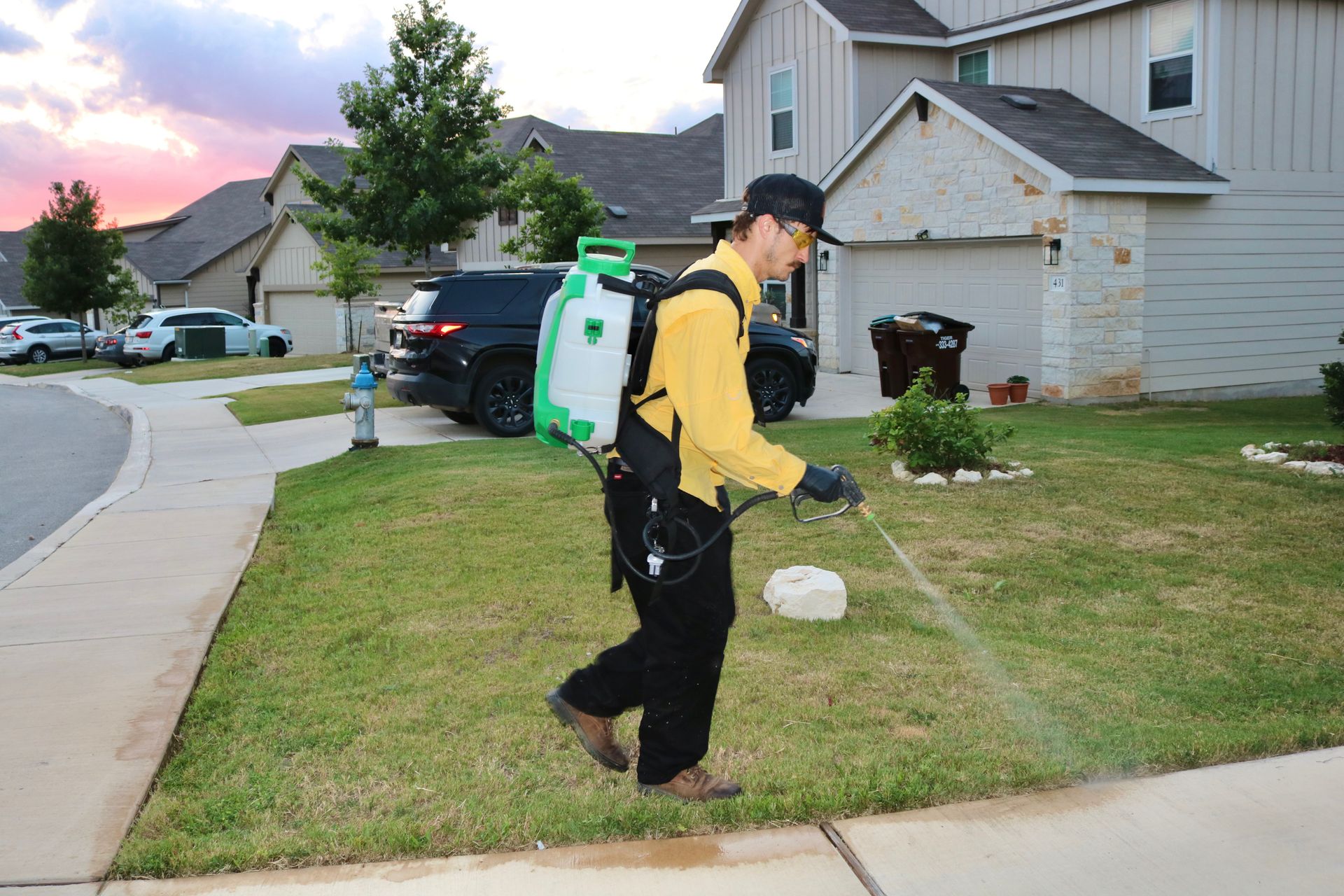
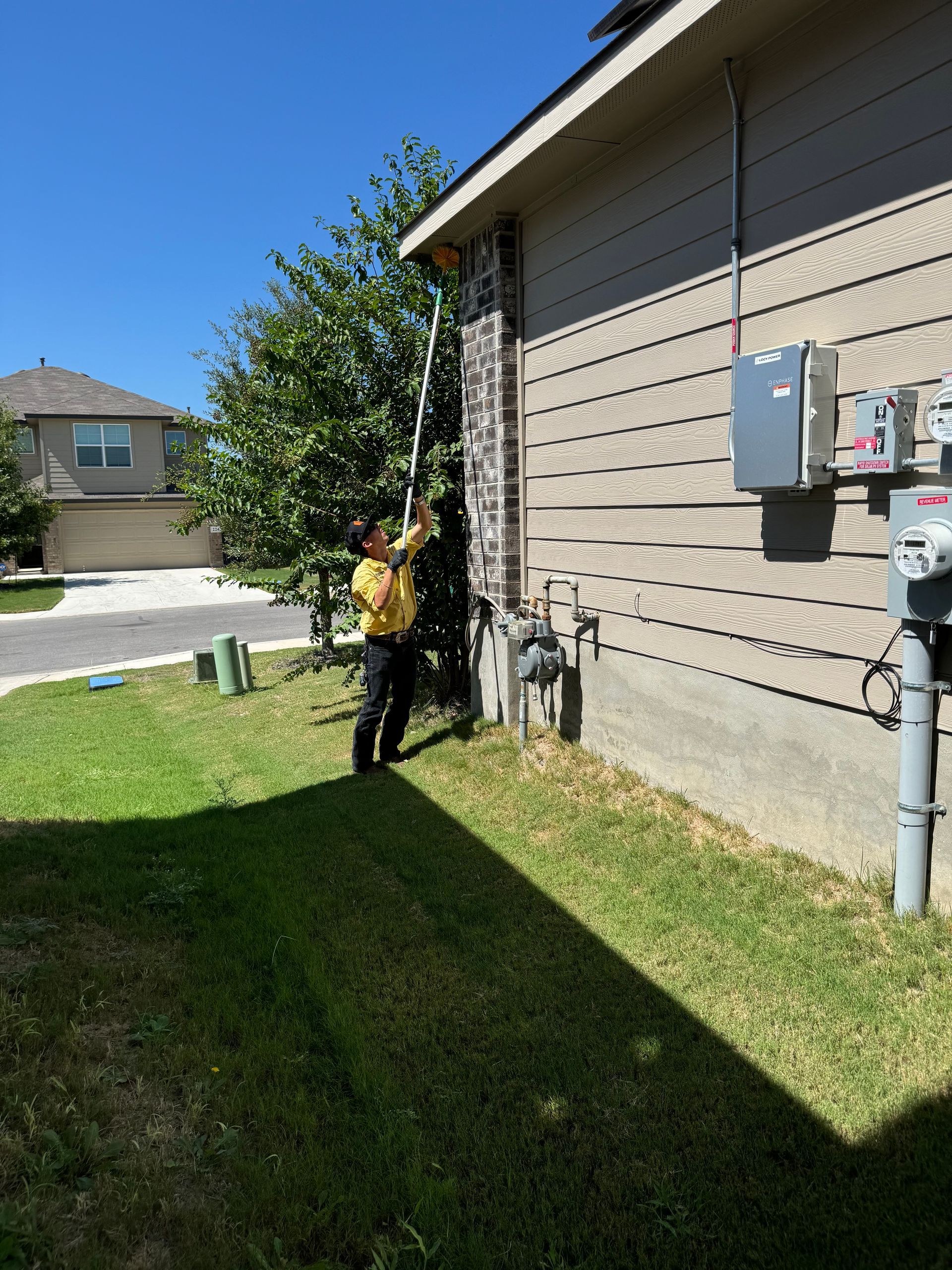
Cockroach season in the San Antonio area is long, and it rewards homeowners who prepare early rather than react late. Buckin' Bugs offers general pest control for cockroaches and other common household pests throughout San Antonio, Boerne, and New Braunfels, TX, with treatments built around your home's specific pressure points.
Don't wait for a daylight sighting to take cockroach season seriously. Schedule a free inspection today and let our team catch the problem before it becomes an infestation.
Don't wait for a daylight sighting to take cockroach season seriously. Schedule a free inspection today and let our team catch the problem before it becomes an infestation.